African StoriesHistory & DocumentariesSenegal
Through the Doors of No Return: Gorée Island and the Legacy of the Transatlantic Slave Trade
Remembering History at Senegal’s Most Important Historical Site
Gorée Island is one of Africa’s most important historical sites. It is located off the coast of Dakar, Senegal. For hundreds of years, this small island was a place where millions of enslaved Africans were held before being shipped across the Atlantic Ocean. Today, it is a place of remembrance and the focus of a new documentary series that tells the stories of those who were taken from African shores.
What is Gorée Island?
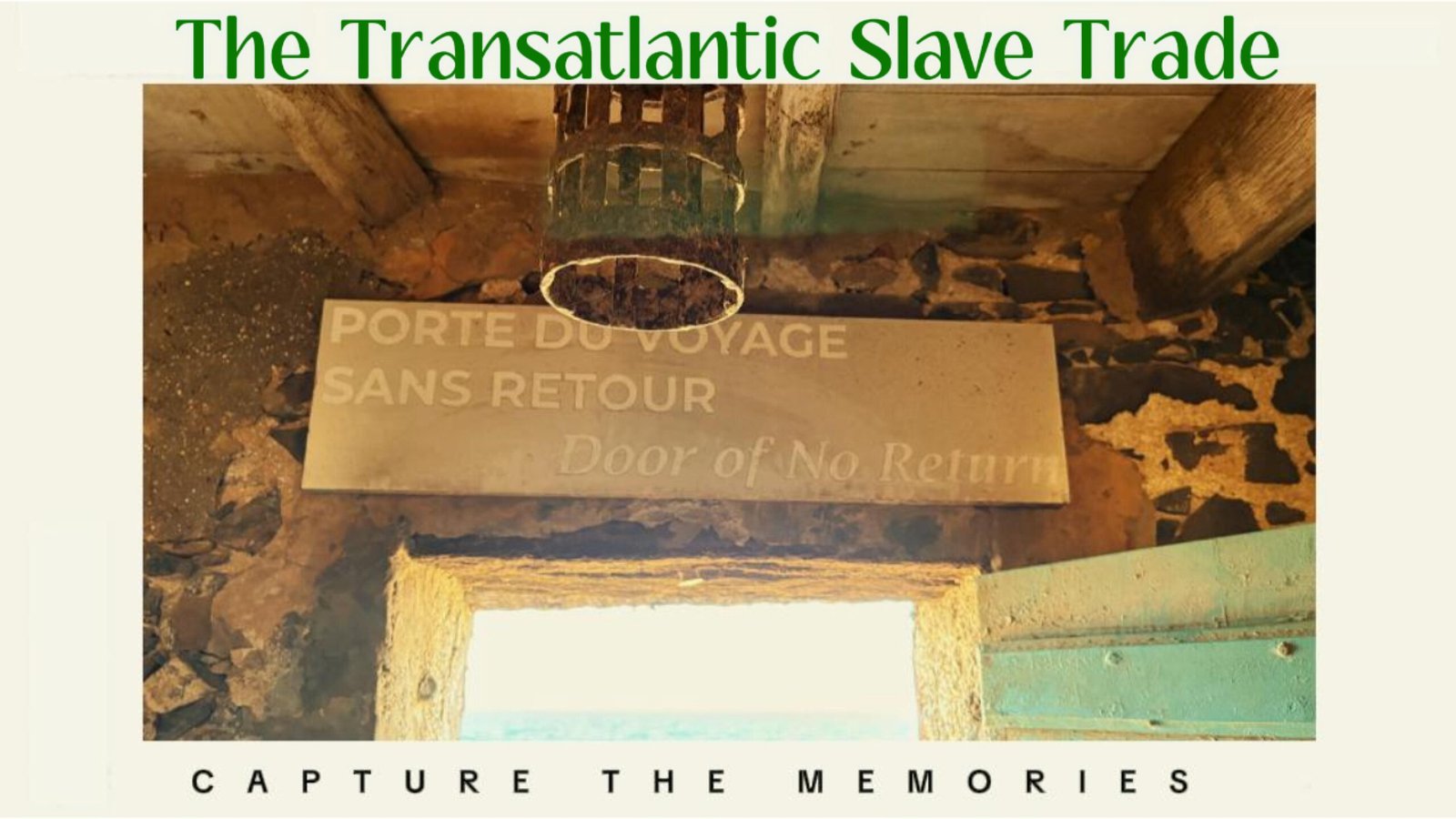
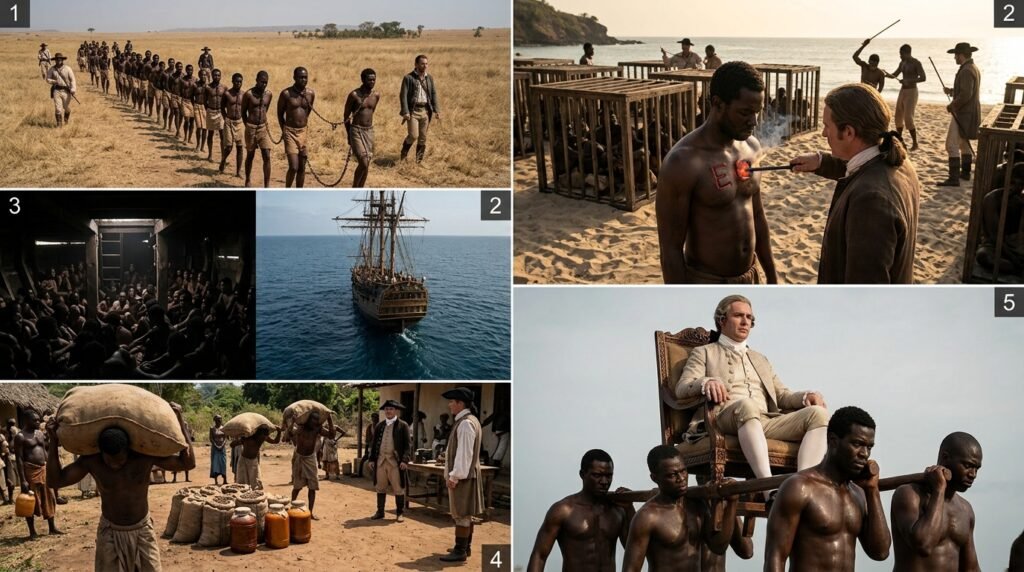
Gorée Island is a UNESCO World Heritage Site off the coast of Dakar. For over 300 years, European enslavers used the island to hold enslaved Africans before branding them and forcing them onto ships to cross the Atlantic Ocean as cargos.
The most important building on the island is the House of Slaves (Maison des Esclaves), built in the 1700s. Millions of Africans, including men, women, and children, were locked in this building before being put on ships to Europe, the Americas, and the Caribbean.
When you walk through Gorée Island today, you can see the narrow streets, old colonial buildings, and enslavement dungeons. These places show the suffering and strength of those who were enslaved.
The Transatlantic Slave Trade: A Historical Overview
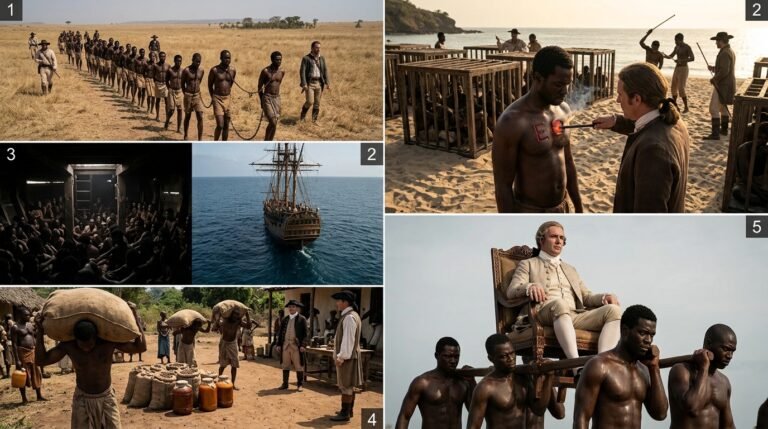
From the 1400s to the 1800s, about 12.5 million Africans were forced across the Atlantic Ocean as enslaved people. About 2 million of them died during the journey across the ocean.
Senegal, and Gorée Island especially, was one of the first and most active places for this trade. European countries like Portugal, the Netherlands, France, and Britain built trading posts along the West African coast to capture, kidnap, enslave and traffic Africans.
This had terrible effects on African communities. Whole regions were destroyed, families were separated, and the pain continues today. Read more about the transatlantic trade of enslaved Africans.
Why Gorée Island Matters Today
Gorée Island is more than just a historical site. People whose families were taken as enslaved people come here to understand their history. Many visitors come to remember, to grieve, and to reconnect with the motherland from which their ancestors were taken. Descendants of enslaved people who later regained their “freedom” still live there today, alongside others who have now called Gorée their home.
In recent years, Gorée Island has become important in conversations about justice, apologies, and fixing the harm caused by the “transatlantic slave trade”. Schools, documentaries, and events use Gorée Island to help people understand the history of African people who were spread across the world.
For many, visiting Gorée Island means taking back control of their own story and honouring their ancestors who suffered.
The Living Memory: From Our Shores
My new documentary series is telling these stories in a way that gives African people the voice to tell their own history. The Living Memory: From Our Shores is a project that documents the places where our ancestors stood before they were taken away.
The first episode, Through the Doors of No Return | Gorée Island, Senegal, comes out on 4 October 2026, and you can watch it here on my channel.
This is not just history lessons. This is about keeping memory alive. This is about honouring those who were kidnapped, enslaved, and cargoed across the Atlantic and those who died in transit. Many never came home. It is also about honouring those who survived and those who carry this pain in their families today.
By going to the actual places where our ancestors were taken, the project connects the past to the present. It refuses to make these stories just facts in a book. Instead, it makes them real and alive.
Why This Matters Now
More and more people around the world want to learn about African history, talk about justice, and change systems that were built on slavery. Projects like The Living Memory are important because they:
- Tell the story from African people’s point of view and not from the people who enslaved them
- Create safe spaces for people whose families were affected by slavery to connect with their history
- Demand that we face the truth and not hide from what happened
- Keep these stories alive by actually going to the places where it happened
- Show the strength of people who survived and those who fought back
Visiting Gorée Island: A Guide
If you want to visit Gorée Island, here is what you need to know:
Location: Off the coast of Dakar, Senegal (about 3 km away)
How to Get There: Boats leave from Dakar’s port regularly. The journey takes about 20 minutes.
What to See:
- The House of Slaves (Maison des Esclaves)
- Old colonial buildings and streets
- Memorials and plaques
- Local museums
- Sand Art Crafts
- Beaches
Best Time to Visit: October to April (when it is dry)
Important: This is a place where terrible suffering happened. Visit with respect and an open heart to learn.
The Power of Bearing Witness
Standing in the actual places where history happened is powerful. When you walk through the House of Slaves on Gorée Island, you are not just learning facts. You are honouring those who suffered. You are making sure their stories are not forgotten.
The Living Memory: From Our Shores knows this power. By documenting these places, by naming those who were enslaved, by looking at what happened, we all participate in remembering together.
Watch the First Episode
Through the Doors of No Return | Gorée Island, Senegal comes out Saturday, 4 October 2026, and you can watch it here on my channel.
This is not just history. This is memory. And when we wake up to memory, we must keep it alive.
May they never be forgotten.
Key Takeaways
- Gorée Island, Senegal, is an important UNESCO World Heritage Site and historical site of slavery
- About 12.5 million Africans were forced across the Atlantic Ocean
- The House of Slaves on Gorée Island held millions of people before they were put on ships
- The Living Memory: From Our Shores is a new documentary series told from African people’s point of view
- Visiting Gorée Island means honouring those who suffered and taking back the story
- The first episode comes out 4 October 2026
#GoréeIsland #TransatlanticSlaveTrade #Senegal #AfricanDiaspora #TheLivingMemory #HistoricalMemory #HistoricalJustice #DocumentaryFilm #AfricanHistory #Reparations

Written by
Jennifer Confidence
I tell Africa’s stories, all of them. Through documentaries, travel and deep conversations, I explore everything Africa, and I share what years of crisis management taught me about travelling safely.
Keep reading
More stories
- Slavery and the Slave Trade: What Actually Happened, and Why It Never Fully EndedWhen did slavery end? It’s one of the most-searched questions about this history and it’s also one of the most misleading, because…
- Why the World Just Voted to “Correct the World Map” – And Why the Map of the World You Grew Up With Is WrongLook at almost any world map you’ve ever seen; the one on your classroom wall, in your atlas, on Google Maps. Greenland…
Join my newsletter
New stories, travel updates and security briefs, sent straight to your inbox.