African StoriesHistory & Documentaries
Slavery and the Slave Trade: What Actually Happened, and Why It Never Fully Ended
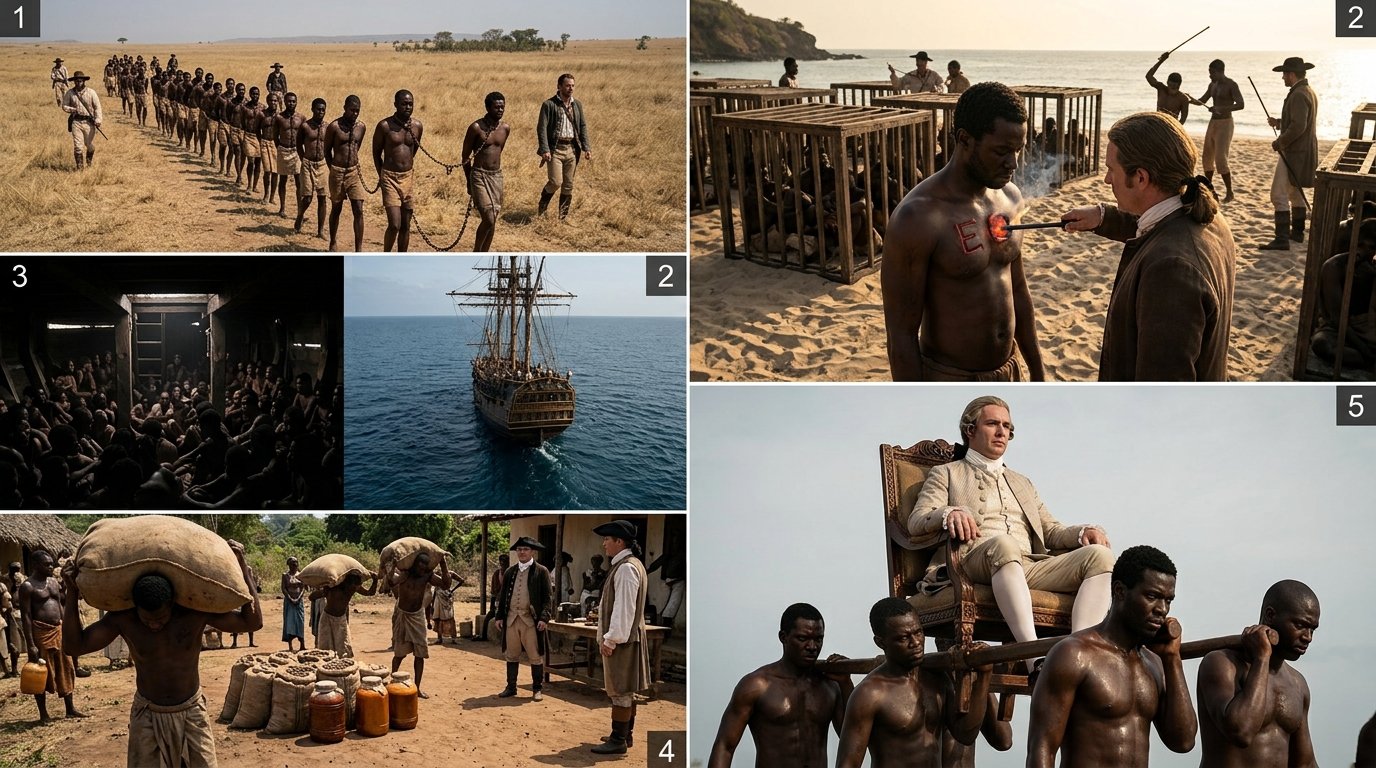
When did slavery end? It’s one of the most-searched questions about this history and it’s also one of the most misleading, because the honest answer is: it didn’t, not cleanly, and not for everyone at the same time. This is the story of the transatlantic slave trade, what it built, who ran it, and the direct line connecting it to policies still being written today.
What Is Human Slavery, and How Big Was the Transatlantic Trade?
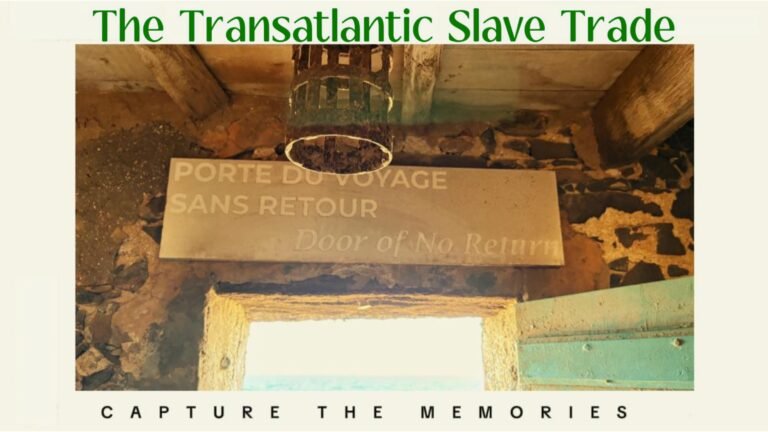
Chattel slavery was the “legal” ownership of human beings as property that was buyable, sellable, and inheritable. This defined the transatlantic slave trade. Between the 1440s and the 1860s, an estimated 12.5 million Africans were forced onto ships bound for Europe, the Americas, and beyond. Only about 10.7 million survived the crossing.
Portugal started it in the 1440s and moved more people than any nation in history over the trade’s full span. By the late 1600s, Britain dominated the system, with France and the Netherlands close behind.
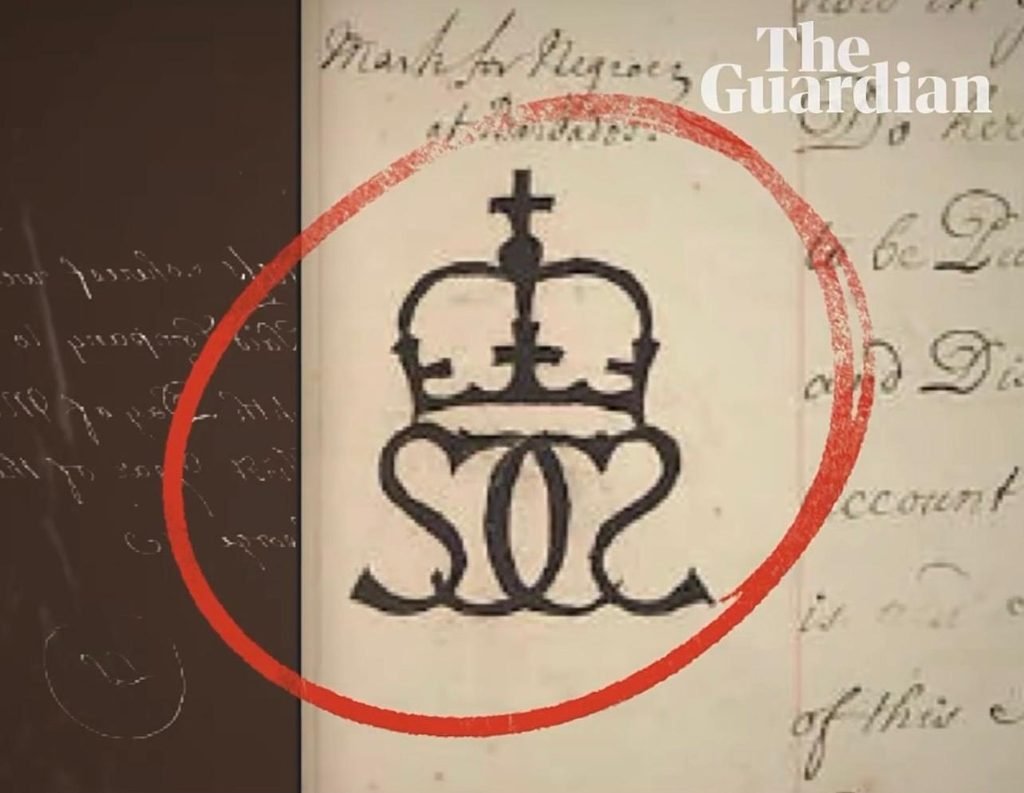
This wasn’t disorganized cruelty, it was corporate. In 1672, England chartered the Royal African Company, a royal monopoly that shipped an estimated 187,000 people, branding them with the company’s initials and, per newly surfaced archival research, a royal crown mark. Lloyd’s of London insured enslaved people as cargo. Banks still operating today like JPMorgan Chase, Wells Fargo, Lehman Brothers, trace back to institutions that took enslaved people as loan collateral. The Bank of England has acknowledged past governors with direct personal ties to the trade.
Which Amendment Abolished Slavery — And What Actually Changed?
When was slavery abolished in the USA? The 13th Amendment, ratified in 1865, is the legal answer. But the practical answer is more complicated, and this is where the story most people know stops too early.
A video explainer
In January 1865, freed families were promised land; 40 acres and a mule, under Special Field Order No. 15. Within the year, President Andrew Johnson reversed it. Most of that land went back to the men who had enslaved the people now farming it.
What followed was a new legal cage. Black Codes simply put were laws passed across the South in 1865 and 1866 that criminalized everyday things like being unemployed, calling it “vagrancy,” specifically to target freed Black people. That criminalization fed people straight into convict leasing: forced, unpaid labor for private companies, using a criminal conviction as the legal loophole around abolition itself. Then came Jim Crow, then redlining, then the GI Bill, which was a 1944 law that promised every veteran help with housing and education, written race-neutral on paper but administered locally in ways that overwhelmingly excluded Black veterans.
Black families lost an estimated 90% of the land they acquired in the decades after emancipation, through forced sales, destroyed paperwork, government takings, and outright terror. This is a loss researchers have valued in the hundreds of billions of dollars.
The UK’s Version: Windrush to the Visa System Today
Slavery’s aftermath isn’t only an American story. In 1948, Britain invited Caribbean workers to rebuild the country and staff the new NHS. Nearly seventy years later, some of those same people who were legally entitled to be there were detained, denied healthcare and jobs, and even deported under the 2012 “hostile environment” policy.
The pattern repeated with a new generation. Britain opened the Health and Care Worker visa in 2022; over 7,000 Nigerian-trained nurses relocated to the UK in 2021-2022 alone, despite a World Health Organization list flagging Nigeria, Ghana, and Zimbabwe as countries that shouldn’t be actively recruited from. Then, in 2024 and 2025, the UK banned care workers from bringing their families and shut down most overseas recruitment. Invited to work; not invited to belong.
The Royal Family’s Ties to the Slave Trade
In 1660, King Charles II personally chartered the company that became the Royal African Company; his brother, James, Duke of York, was its governor and later became King James II. In 1689, King William III accepted £1,000 in Royal African Company shares from Edward Colston, a document unearthed by historian Dr. Brooke Newman and published by the Guardian in 2023. Queen Anne, George I, George II, and William IV all extended or defended the system. For two centuries after that, no monarch publicly addressed any of it.
In 2023, King Charles backed independent research into the monarchy’s slavery links and has expressed “personal sorrow.” He has not apologized.
The UN Vote on Slavery, and Where Reparations Stand Now
Here’s where the “modern slavery” search results and the historical story actually meet. When Britain abolished slavery in 1833, it paid compensation to the slave owners, not the enslaved. Britain didn’t finish paying off that loan until 2015. Descendants of enslaved Africans helped pay for it.
On March 25, 2026, the United Nations General Assembly passed a resolution — 123 in favor, 3 against (the US, Israel, and Argentina), 52 abstentions (including the UK and every EU state) — calling the transatlantic slave trade a crime against humanity for the first time in UN history. Three months later, the African Union and CARICOM backed a 19-point reparations plan in Accra: apologies, debt relief, compensation, a Global Reparations Fund.
Institutions named earlier in this story; Lloyd’s, the Bank of England, and JPMorgan, have already acknowledged their role. The monarchy hasn’t gone that far.
The Ledger Is Still Open
The kidnapping, trafficking, and enslavement of Africans was the gravest crime against humanity ever committed. Those who orchestrated it and profited from it don’t get a vote on whether that’s true. What’s owed isn’t a closed question; it’s being asked right now, in parliaments, courtrooms, and city councils. This isn’t history. It’s an open case.

Written by
Jennifer Confidence
I tell Africa’s stories, all of them. Through documentaries, travel and deep conversations, I explore everything Africa, and I share what years of crisis management taught me about travelling safely.
Keep reading
More stories
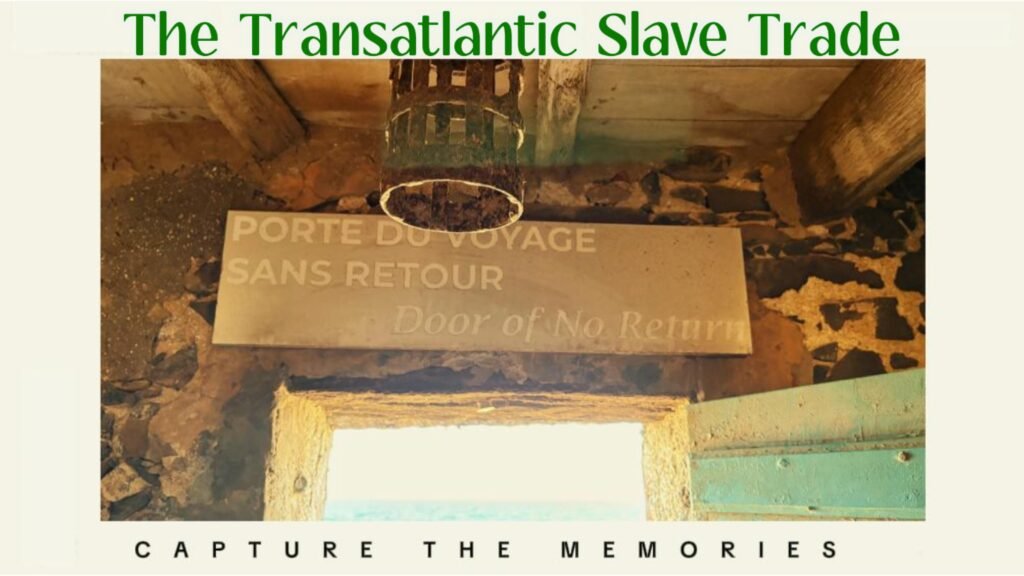
- Through the Doors of No Return: Gorée Island and the Legacy of the Transatlantic Slave TradeRemembering History at Senegal’s Most Important Historical Site Gorée Island is one of Africa’s most important historical sites. It is located off…
- Why the World Just Voted to “Correct the World Map” – And Why the Map of the World You Grew Up With Is WrongLook at almost any world map you’ve ever seen; the one on your classroom wall, in your atlas, on Google Maps. Greenland…
Join my newsletter
New stories, travel updates and security briefs, sent straight to your inbox.
One Comment