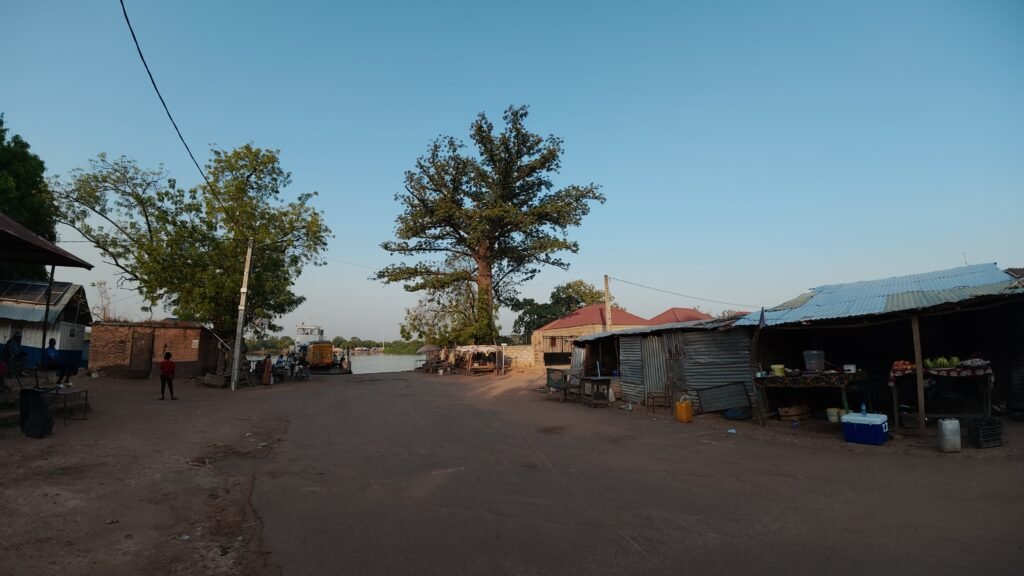
Janjanbureh, on an island in the River Gambia, is worth an overnight stay from the coast, and getting there by public bus and ferry is straightforward if you start early.
How to get there
- Buy your ticket the day before: I booked a seat the day before on the air-conditioned bus to Bansang, from the Gambia Transport Services Company (GTSC) bus park in Kanifing. I told the driver I was going to Janjanbureh (formerly MacCarthy Island). The ticket cost 400 GMD (dalasi). Services run in the morning, starting at 7:30 a.m., so book early. There are also cheaper buses from the same station for under 300 GMD, but they are in poor condition, with no air conditioning, and people stand for hours. I do not recommend them in such hot weather.
- Be at the park early with your luggage: There is a separate small fee for bags.
- Ride inland: The road passes villages and fields. My journey ran from 7:36 a.m. to about 1:30 to 2 p.m.
- Arrive in town: Janjanbureh sits on an island, and ferries link it to the riverbanks on either side. There is also bus access from the right-hand bank of the River Gambia.
- Alternative route: You can cross from Banjul to Barra and take a bus heading to Janjanbureh, or take one going to Farafenni and change there for Janjanbureh. Vehicles on this route are usually in poor condition and have no air conditioning.
Getting back: There was no bus out of Janjanbureh early the next morning, because the bus does not always stay overnight there, so check with your hotel team. I left my room at about 6:40 a.m. and took a short ferry to the Lamin Koto side of the river, where buses were waiting for passengers to Farafenni and Barra. These buses are usually in bad shape. From there I took a bus to Barra, with a short stop at Farafenni, then the ferry from Barra to Banjul, and a taxi to my hotel. Allow a full day to get back to the coast.
See what to do in the Gambia, especially in Banjul, Senegambia, and Serrekunda
What to do
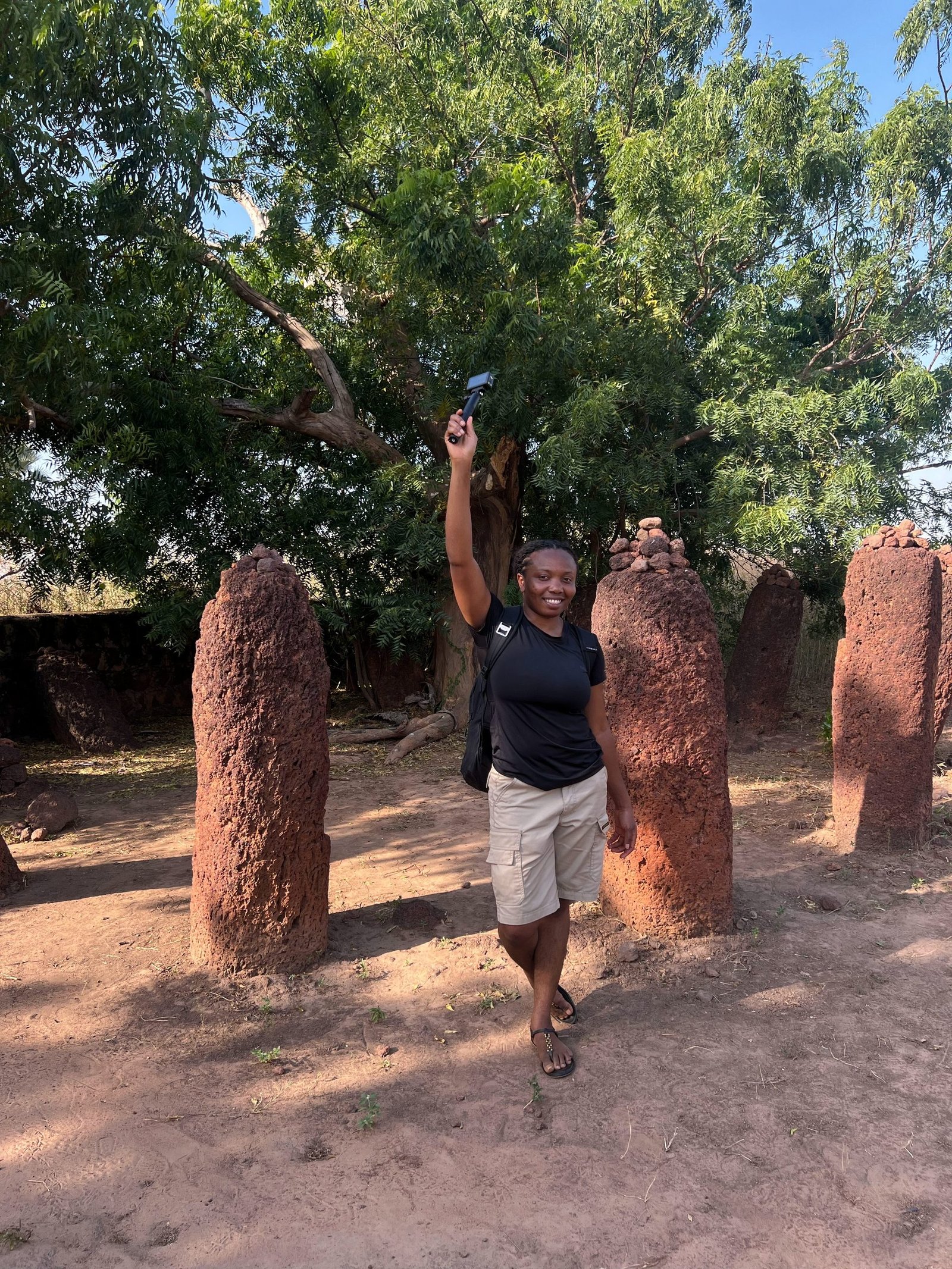
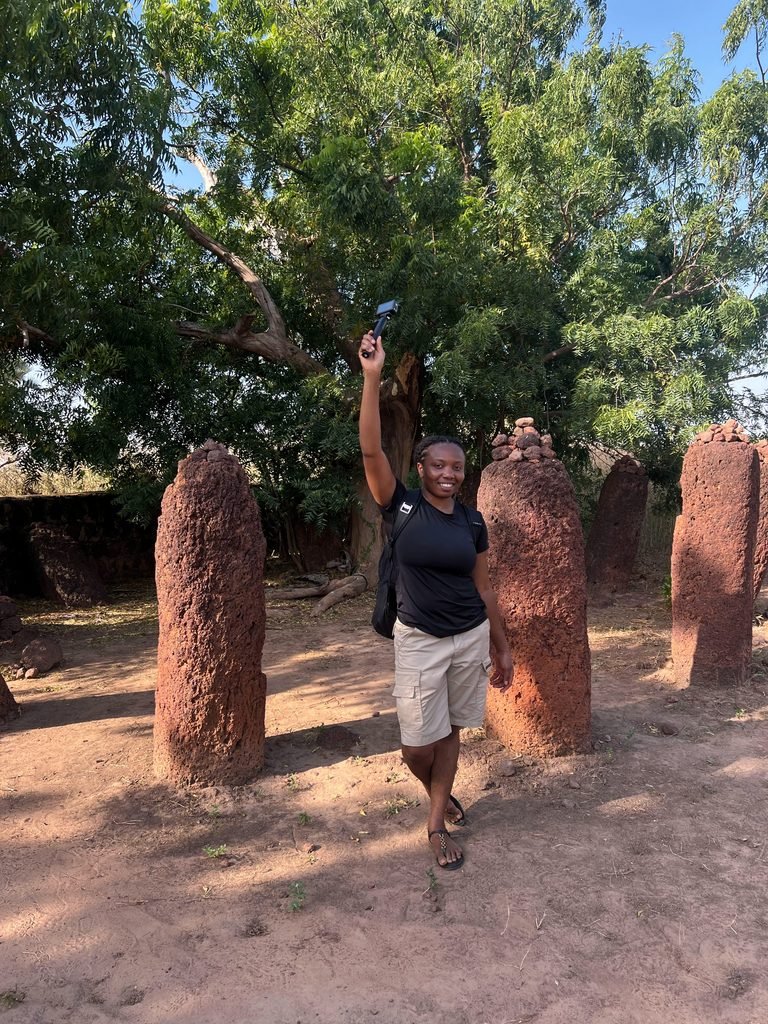
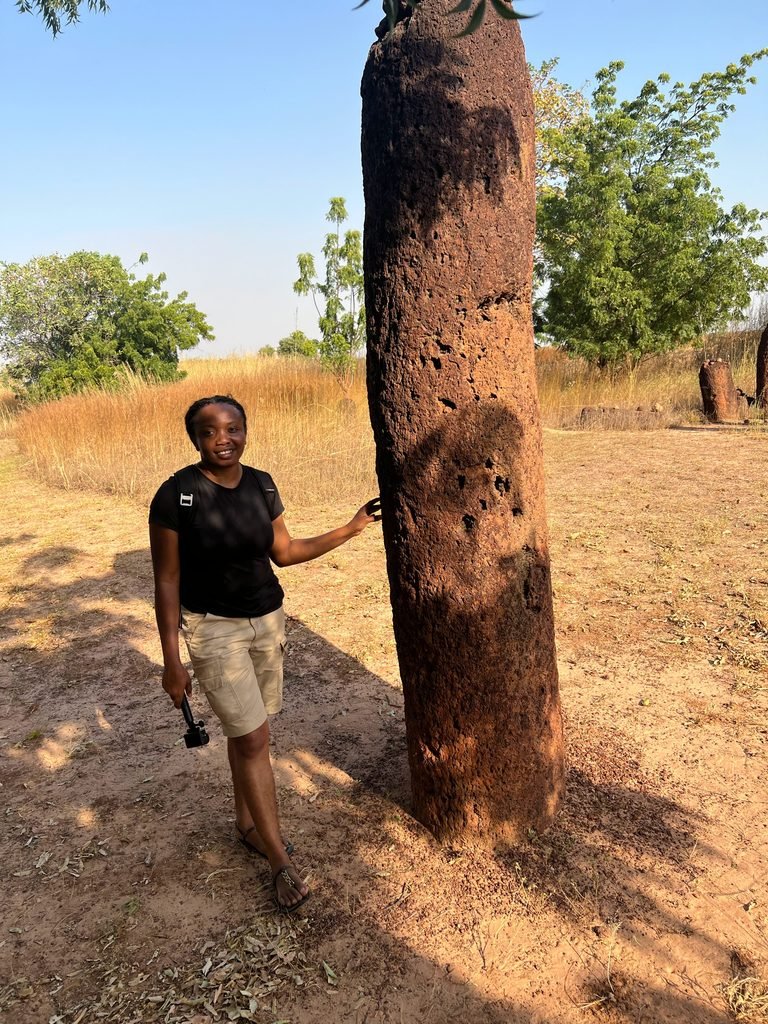
- Wassu Stone Circles: Take the short ferry across the river to Lamin Koto, then a cab to Wassu, where you will probably be dropped at the market junction. The stones are about 1,200 years old and are thought to be burial markers for important members of society. The site is part of the UNESCO listing for the Stone Circles of Senegambia. Check which entrance you are heading for, because my map app sent me the wrong way and added a long walk. Agree the cab fare first, and agree the return fare too. I paid an entry fee of 200 GMD and made a donation to the volunteers.
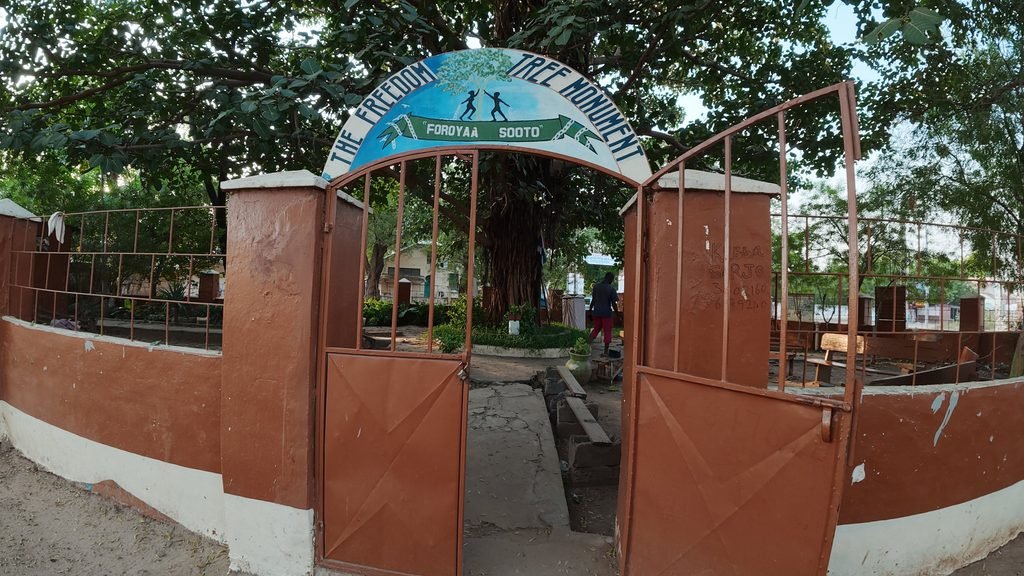
- The Freedom Tree: It stands in town, opposite the police station. A local guide told me its story and takes visitors around. There is no fixed charge, only a donation box that supports local students. Ask the police officer on duty, and they will call the guide.
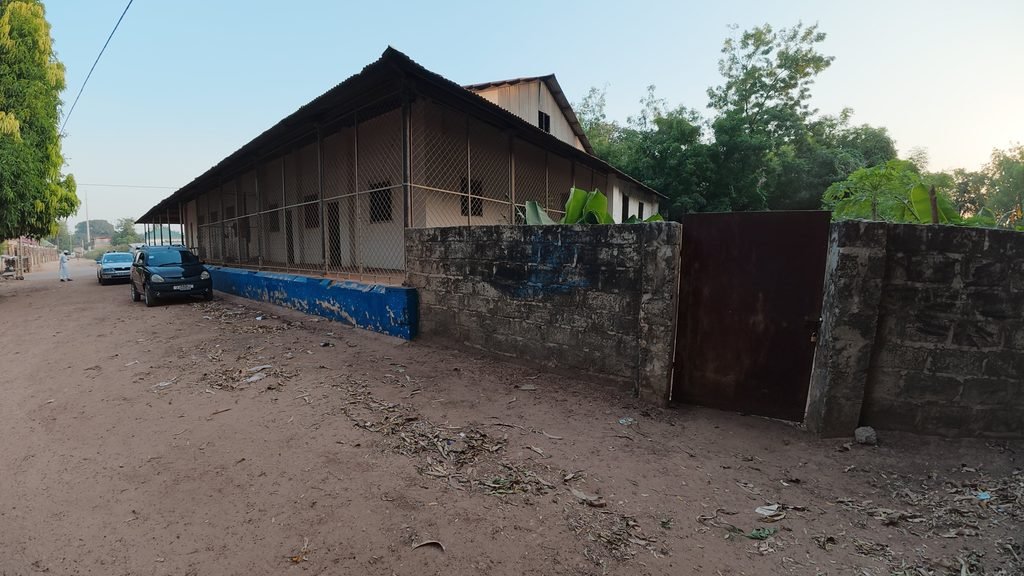
- The slave house: The caretaker will tell you the history. Ask the price before you go in, and be ready to say what you can afford.
Other places to see
I ran out of time, so these are still on my list.
- The local museum: The hotel staff asked if I had seen it and described it as a culture or nature museum, but I could not confirm which, and I did not have time. Ask your hotel for the name and opening hours, and go if you can stay an extra morning.
- Kerr Batch stone circles: Wassu is not the only stone circle site. Kerr Batch (also spelt Kerbatch) is another set of stone circles in The Gambia, and it is part of the same UNESCO listing as Wassu. It might be easier to reach from Wassu.
Where to stay and eat
- Stay: I found a clean room with air conditioning and a fan in town, not far from the ferry port, at Talamanca Lodge, and it cost 1000 GMD per night. Pay in cash, and bring dalasi, because I arrived without enough.
- Changing money: Ask in town, and ask the hotel team, for someone to change pounds. I changed a £20 note into dalasi at a good rate, though rates vary.
- Eat: I bought a spiced chicken dish with tiny pasta and cucumber from a local seller. You can ask your hotel to order for you, and ask the staff for anything you need, from soap to bus times.
- Best time to go: The dry season, from November to May, is best, with the heat building from March to May.

Written by
Jennifer Confidence
I tell Africa’s stories, all of them. Through documentaries, travel and deep conversations, I explore everything Africa, and I share what years of crisis management taught me about travelling safely.
Keep reading
More stories
- What to Do in The GambiaI spent two weeks in The Gambia in November 2026, mostly travelling by local bus, ferry and shared car. Here is everything…
- A Day Trip North From Praia to Tarrafal#JennAcrossWestAfrica #30to30 #ECOWAS Most people who visit Santiago, the largest island in Cabo Verde, spend their time around Praia. But if you…
- Things to Do in Cidade Velha, Santiago Island, Cape Verde: A Day Guide#JennAcrossWestAfrica #30to30 #ECOWAS Before you go: what to wearCidade Velha is hot, but the ground is the bigger challenge. The fortress sits…
Join my newsletter
New stories, travel updates and security briefs, sent straight to your inbox.