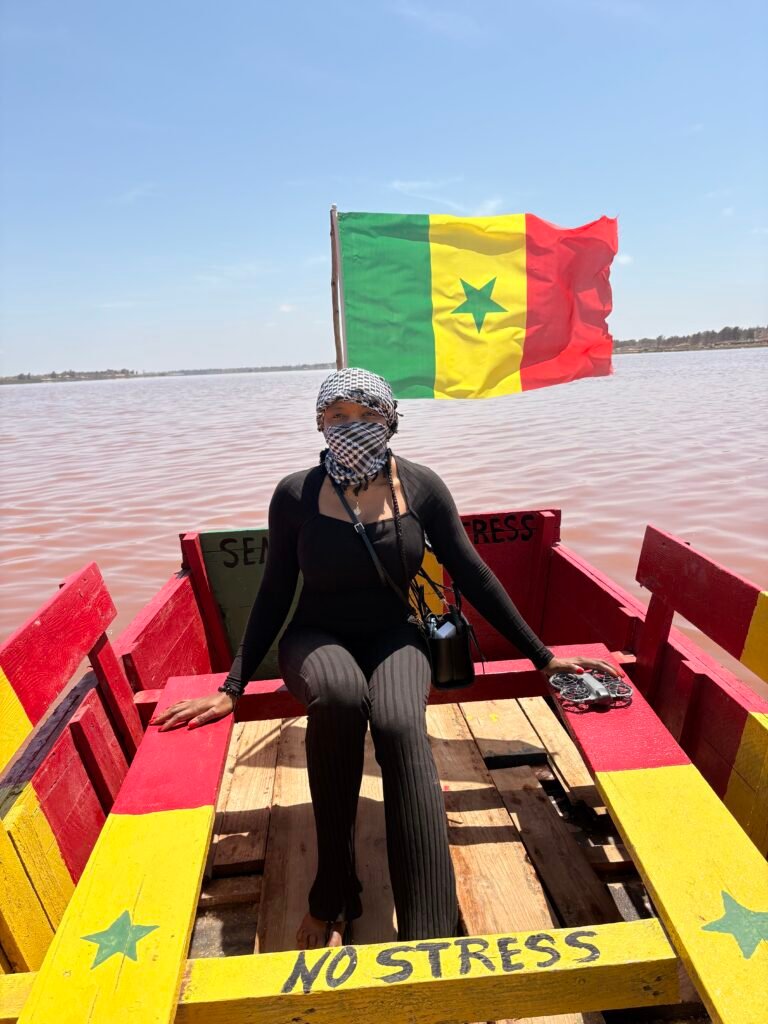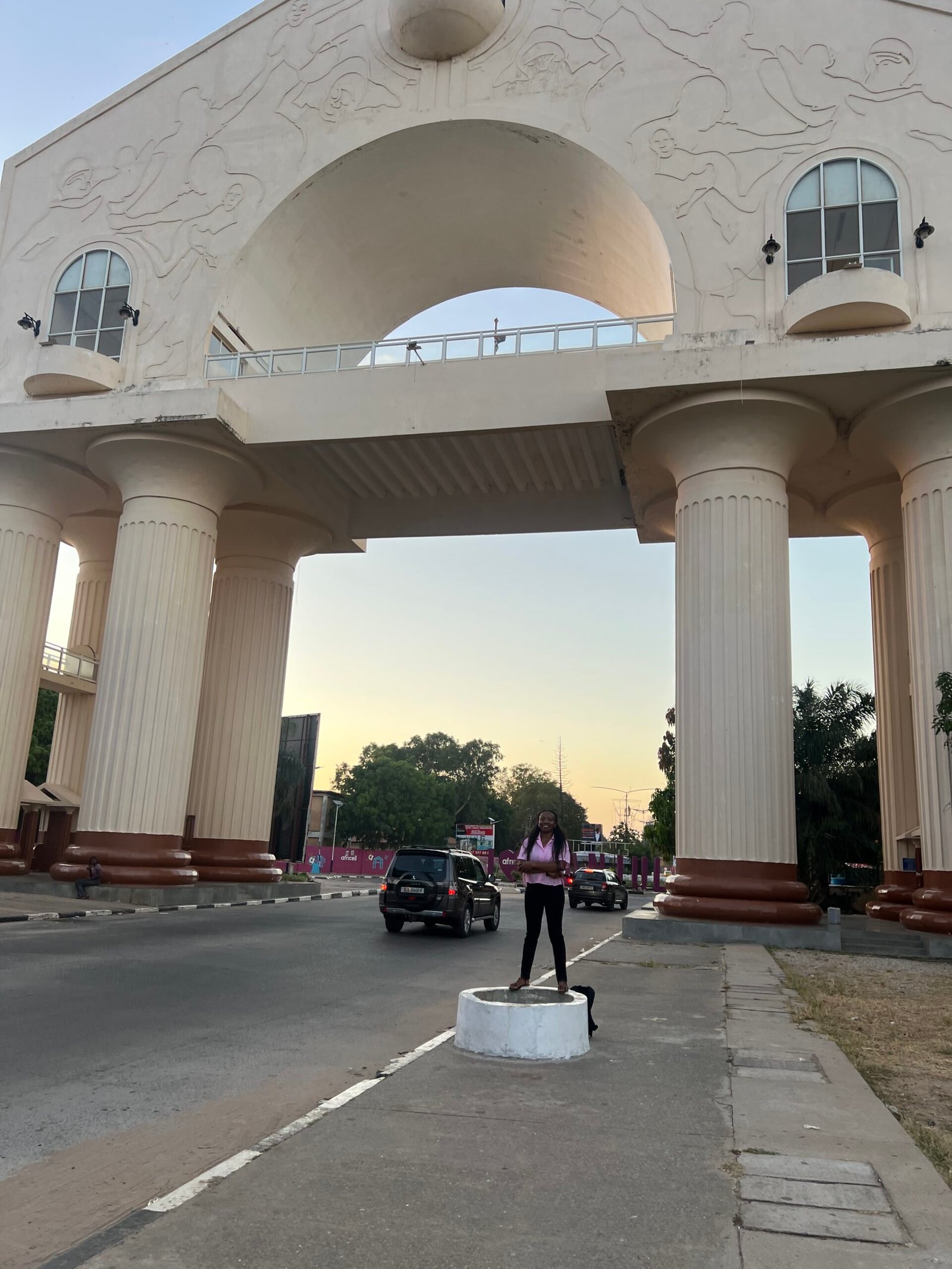
I spent two weeks in The Gambia in November 2026, mostly travelling by local bus, ferry and shared car. Here is everything I did, from the coast to the enslave people trade sites on the North Bank, down to Janjanbureh.
The coast: Tanji, Kartong and Brikama
The Atlantic coast south of Banjul is the easiest place to start, and everything here is reachable by local bus.
- Tanji Fishing Market. I spent a day exploring Tanji and Tanjeh. The fishing village and market are the real draw, with the boats coming in and the catch being sold on the beach.
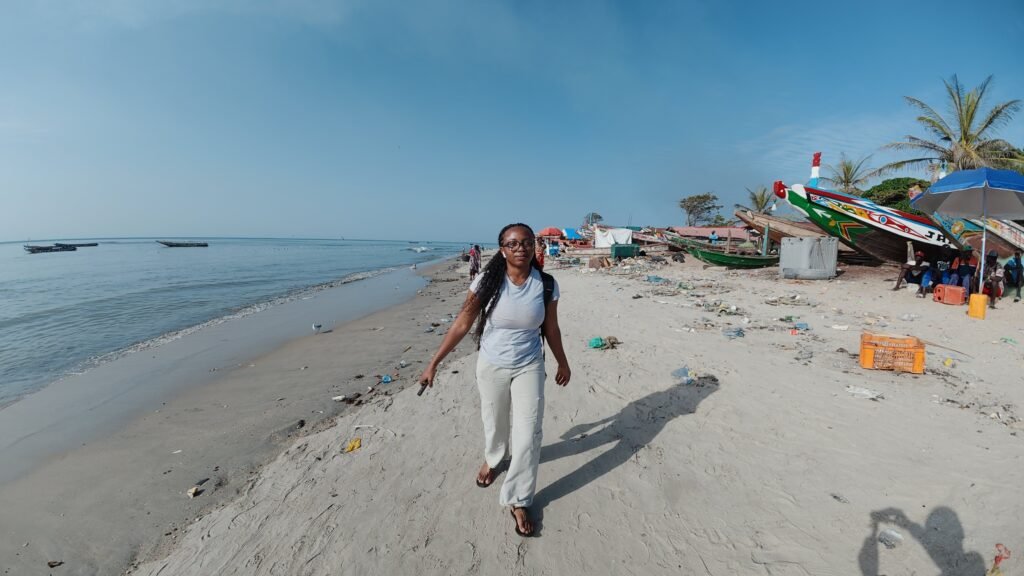
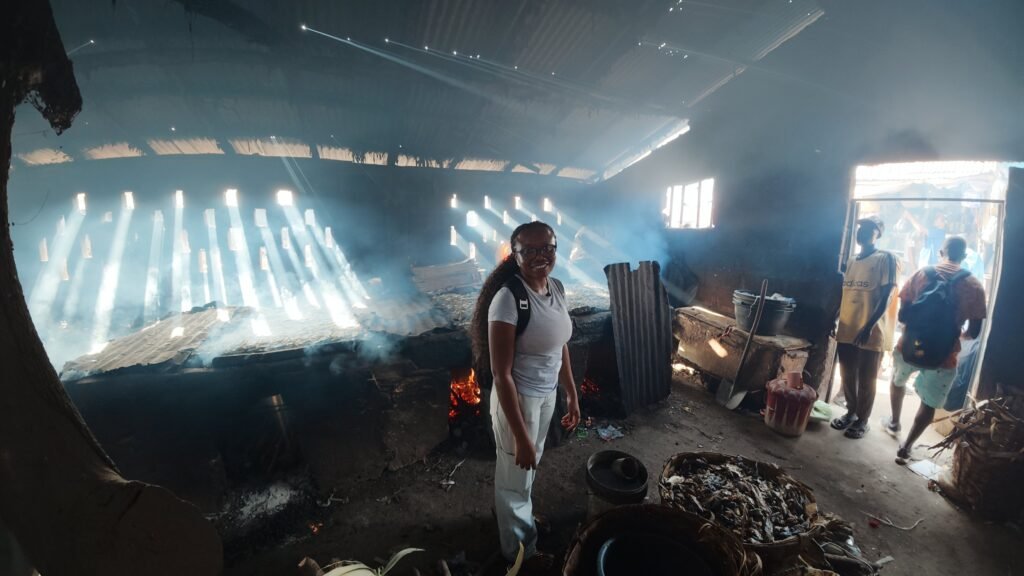
- Tanjeh Village Museum. This small community museum is a short drive from the fishing market. Coming from Brufut or Brusubi, the museum is on the left side of the road and the fishing market is on the right. You cannot miss either of them.
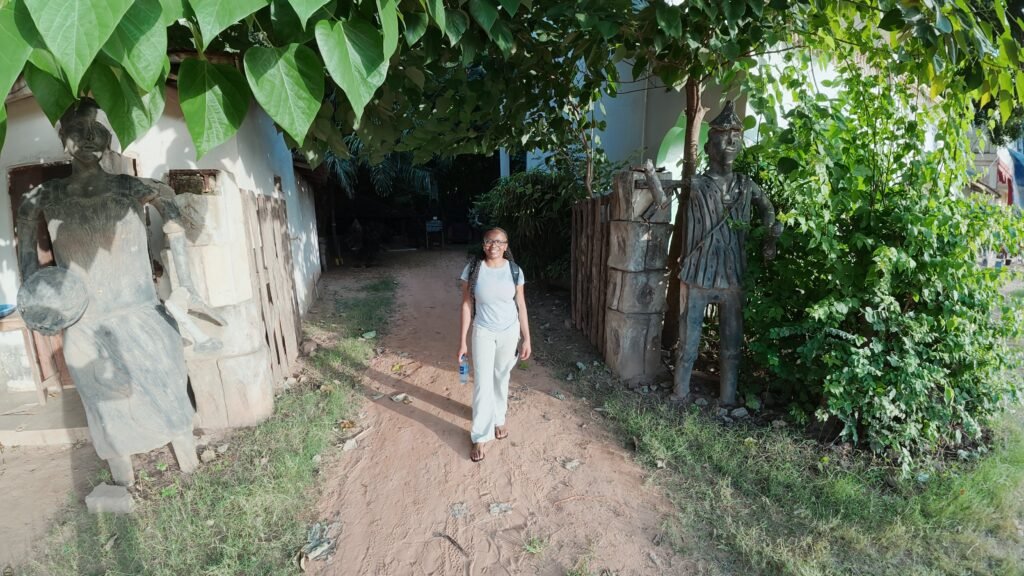
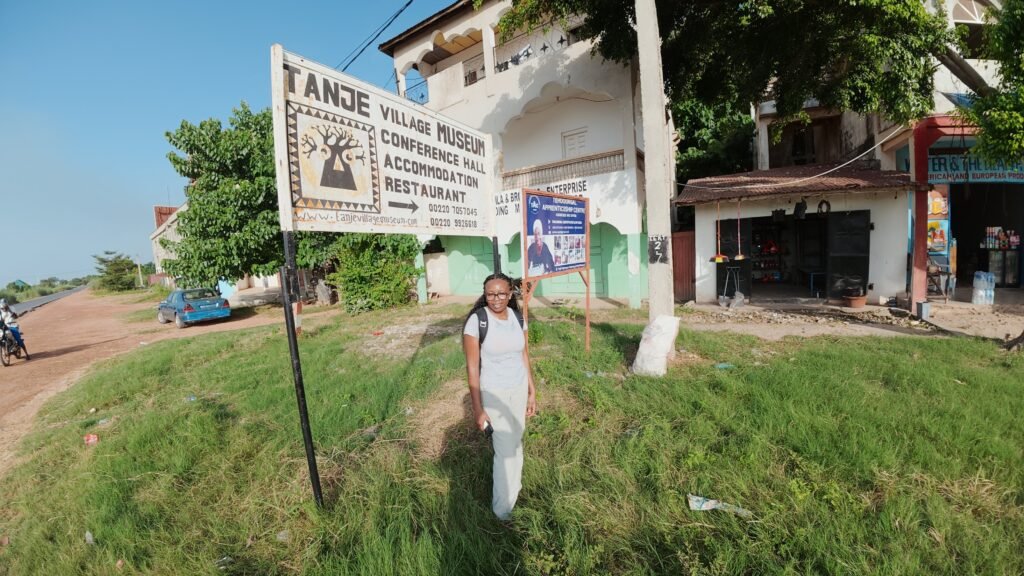
- Kartong by local bus. I took local buses from the Brusubi roundabout, changing at Tanji and again at Gunjur. Ask for directions at every change, because people are generous with help. On the way, I passed the Tanji fishing market and another fishing community known as Ghana Town, and I was told to stop and speak to its residents next time.
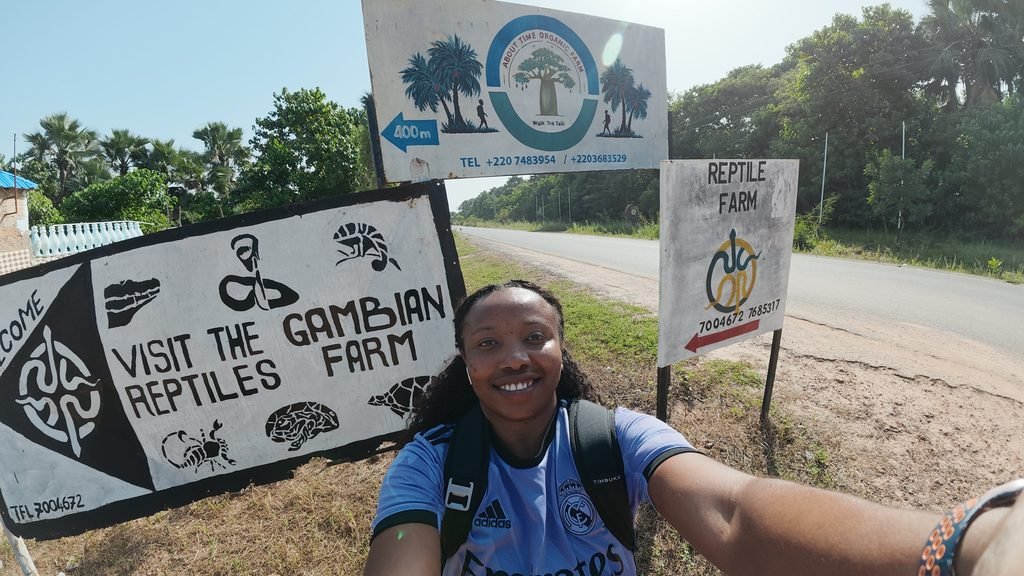
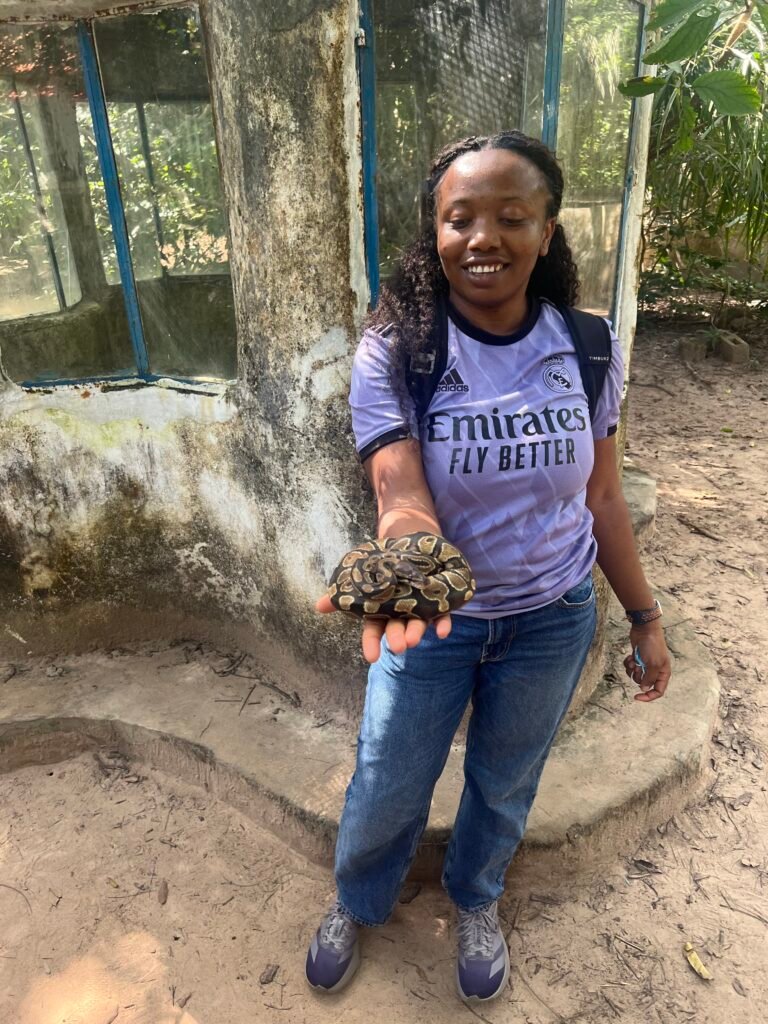
- The snake farm in Kartong. When you are headed to Kartong from Gunjur, remind the conductor to stop you at the snake farm. I lost track and was taken to the last Kartong stop, and the driver was kind enough to take me back without payment. At the farm, a guide took me round and showed me the tortoises, a crocodile and many kinds of snakes, and I got to handle some of them. The entry fee of 300 GMD (dalasi) includes the tour.
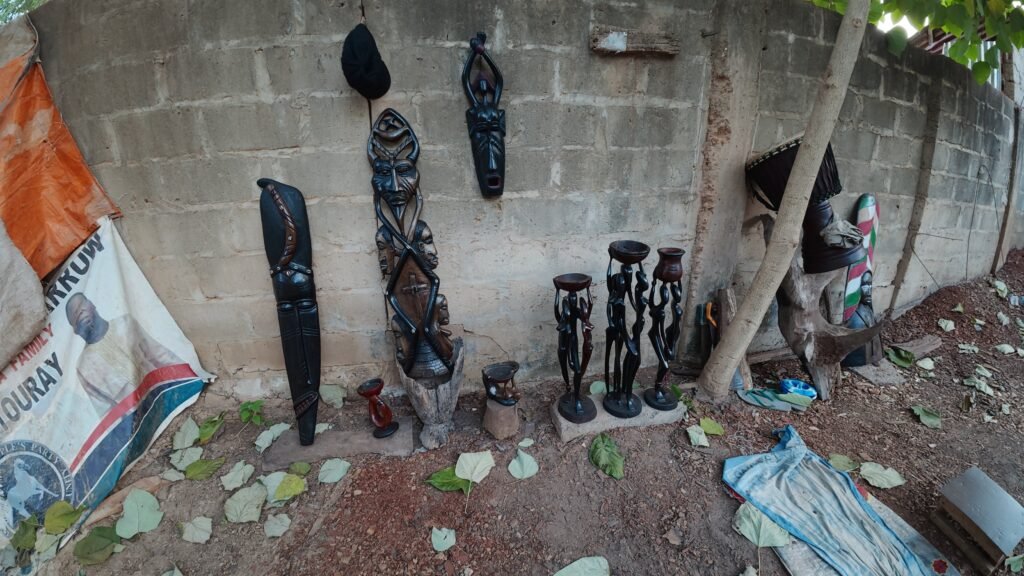
- Brikama craft market. On the way back, I stopped at the craft market in Brikama for carved wood art and a wooden plate. It is a good place to buy gifts. On your way back from Kartong, stop at Gunjur instead of heading straight to Brufut or Brusubi. Then take a bus to Brikama Market and change to a bus going to the craft market. The conductors found it difficult to understand where I was going, so I walked a bit, and a girl helped me stop a bus and explained to the conductor where to drop me.
Banjul and Kanifing: museums, Arch 22 and markets
Greater Banjul is where most of the history is, and it is well worth several days.
- The National Museum in Banjul: I went on several days. It holds loads of history about the people. It also sells books on Gambian history, and I bought two there: one on the Krio people of The Gambia and one on Kunta Kinteh and the slave trade. Staff are happy to talk about the collection. I returned to meet the museum’s leadership and later interviewed the director on camera.
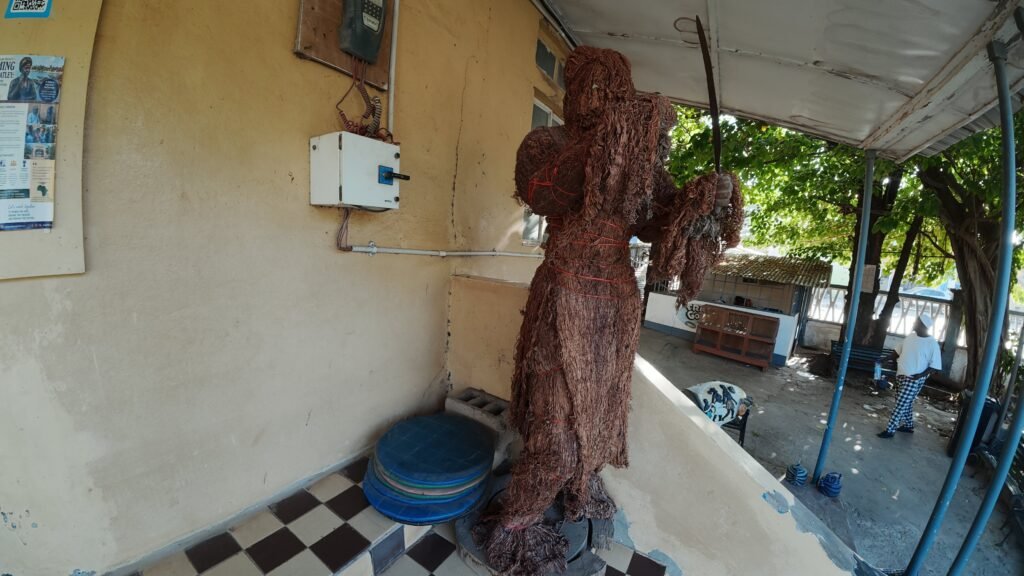
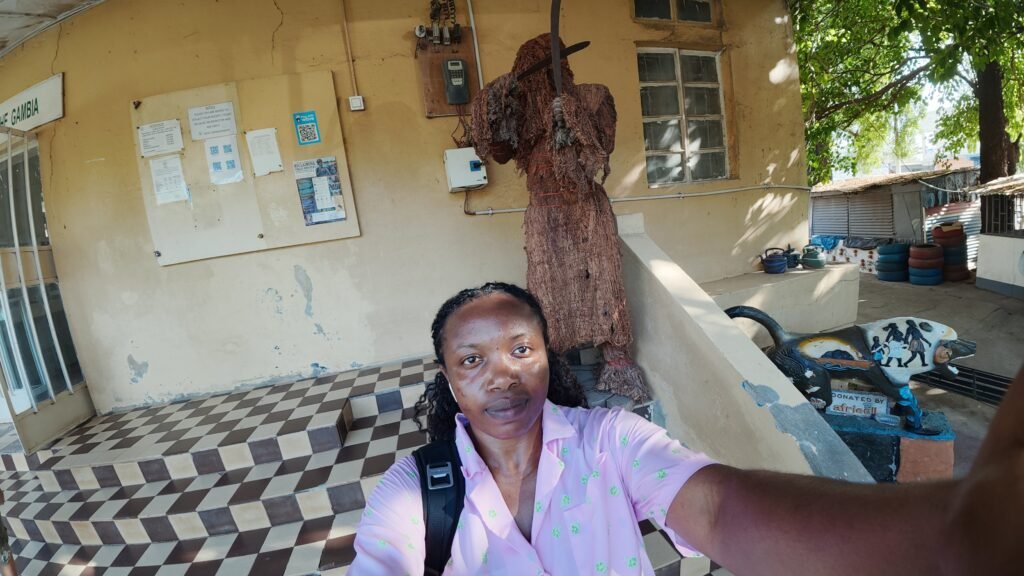
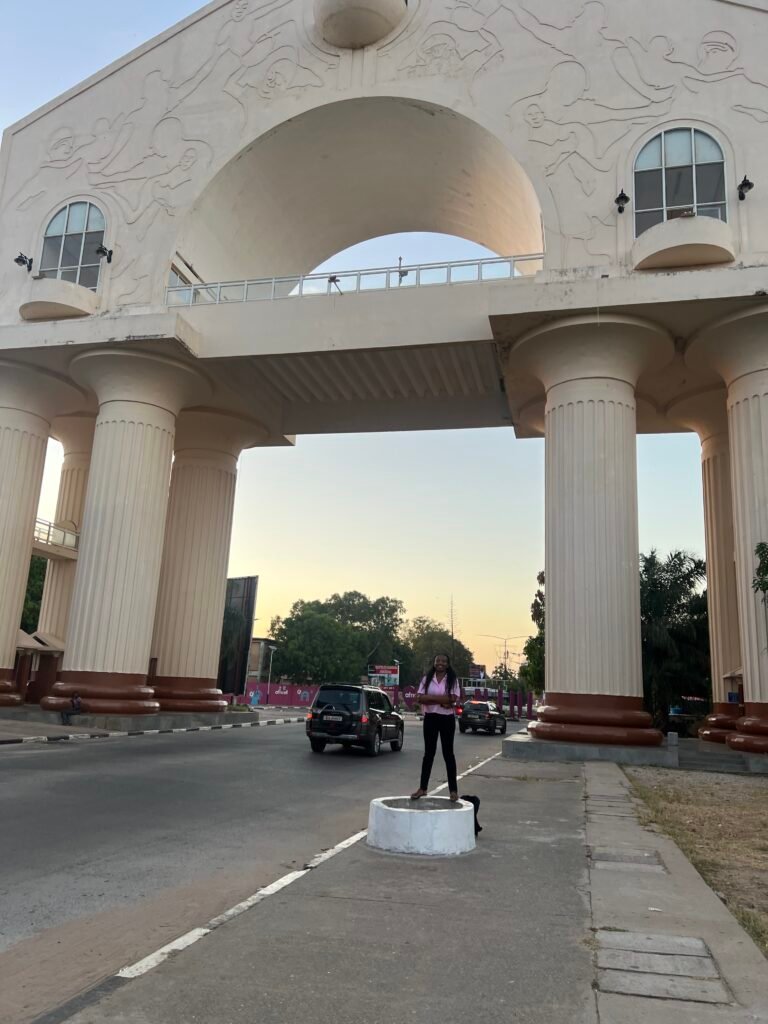
- Arch 22: Take the tour and go up to the top for views over Banjul. It is just about a 15-minute walk from the museum. The arch was built after the 1994 military takeover. Allow about 45 minutes for the tour. I also walked around the liberated Africans’ quarter near the arch. It is simply a neighbourhood to stroll through, not a formal attraction.
- Albert Market: A busy market closer to the Banjul Ferry terminal in central Banjul for food, fabric and everyday goods. There is not much to see inside, but just behind the market there is a beach, so I walked to the end and saw the sea.
- Westfield and Kanifing: Westfield and Traffic light are the main transport junctions for the Kanifing area, so you will pass through them often. Kanifing also has the Gambia Transport Service Corporation bus park, which runs long-distance buses.
- Senegambia and the Senegambia Craft Market: The tourist strip has restaurants, ice cream and the Express Shopping Market for supplies.
Barra and the North Bank: The Enslave People Trade Sites
Take the ferry from Banjul to Barra, then a car or bus on to Albadarr (the Europeanised name is Albreda). This stretch holds some of the most important history of the trade in enslaved people in the country, and you can do it in a day, though I went twice.
- Fort Bullen, Barra: The entry fee of 200 GMD (dalasi) includes a guided tour. Filming is not allowed at the fort without permission from the museum’s management, which is based at the National Museum in Banjul. You can take pictures, though.
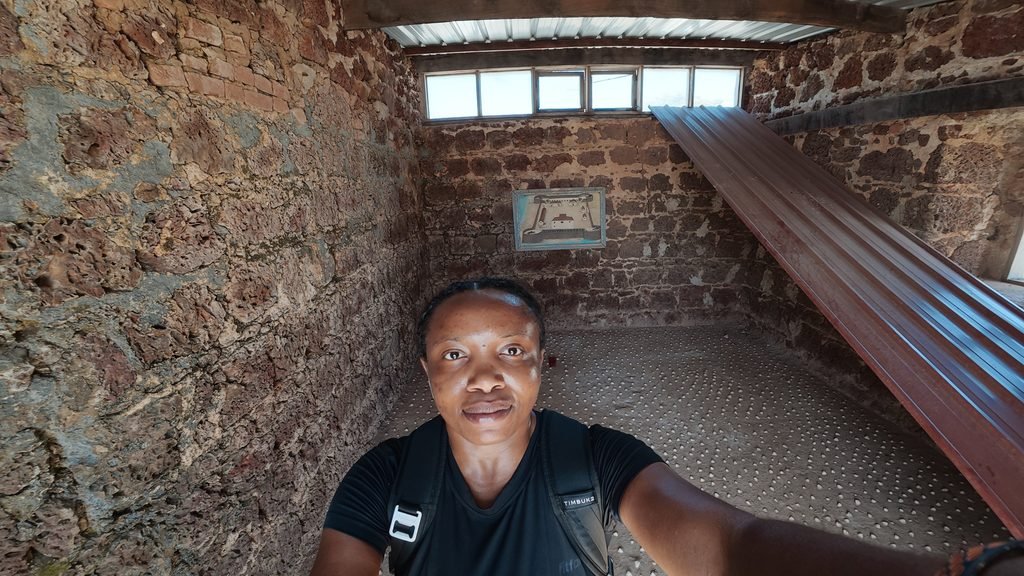
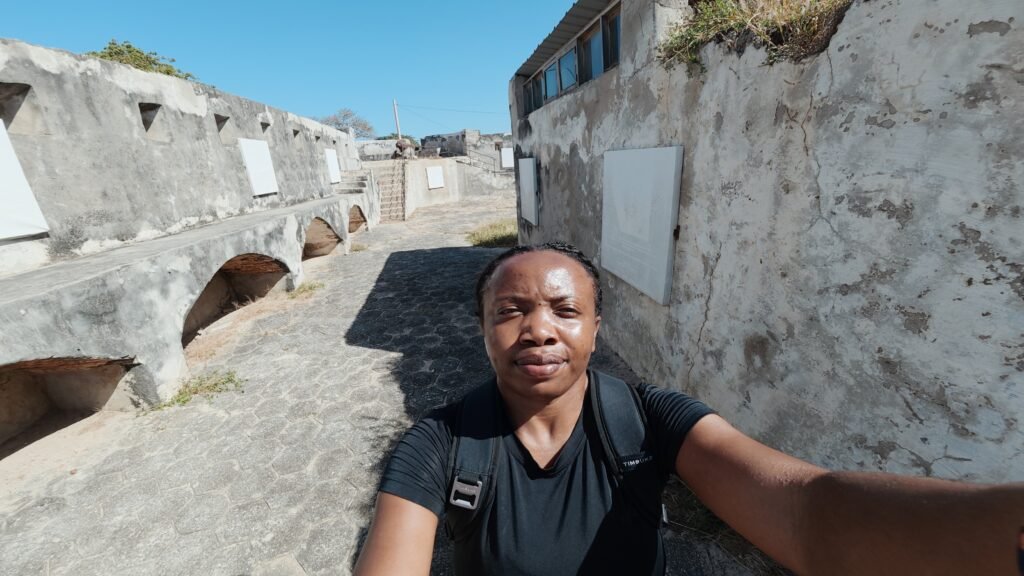
- Kunta Kinteh Island: You reach it by boat from Albadarr. Get off at the last bus stop, which is usually on the right as you arrive, opposite where the local bike men wait for passengers. Walk down the residential street opposite the bike men and ask for the local office where you pay and register to visit the island. There are three separate payments: a community contribution (200 GMD), a fee to the National Centre for Arts and Culture (400 GMD) and the boat (I paid 1,300 GMD). You will be given a receipt.
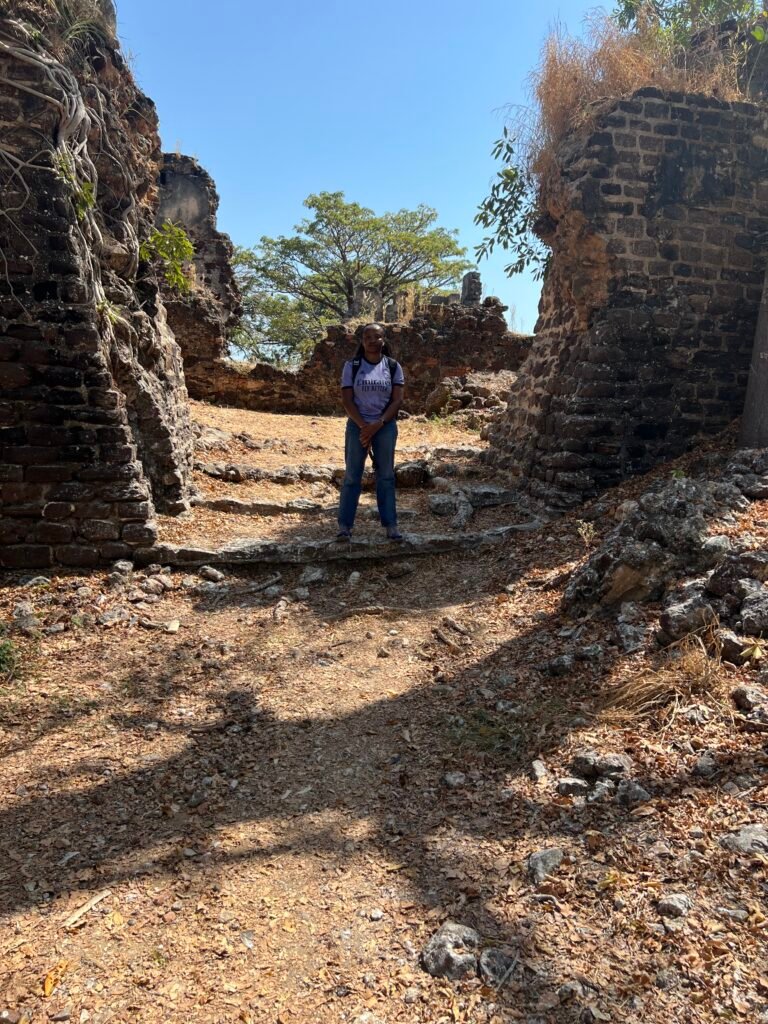
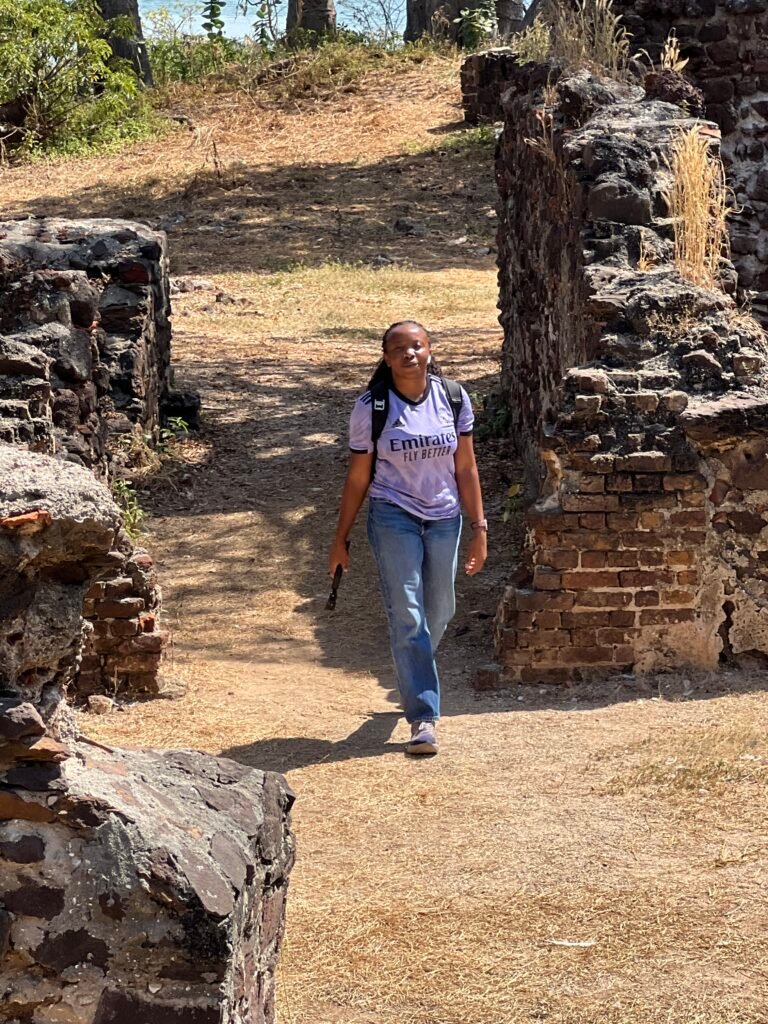
- Albadarr mainland: When you get back from Kunta Kinteh Island, walk around the mainland near where you made the earlier payment. You will see the Freedom Pole and the Freedom Statue. There is also a French supermarket from the colonial and enslavement periods.
- The slave museum in Albadarr: Take a short walk to the slave museum on the main road, along the road where the buses drop passengers. Entry is 200 GMD (dalasi).
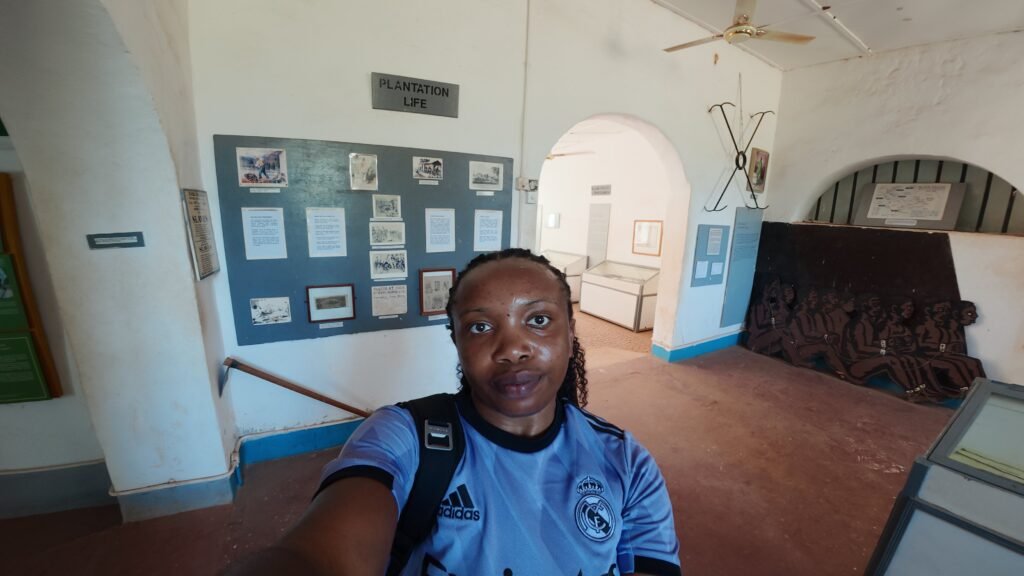
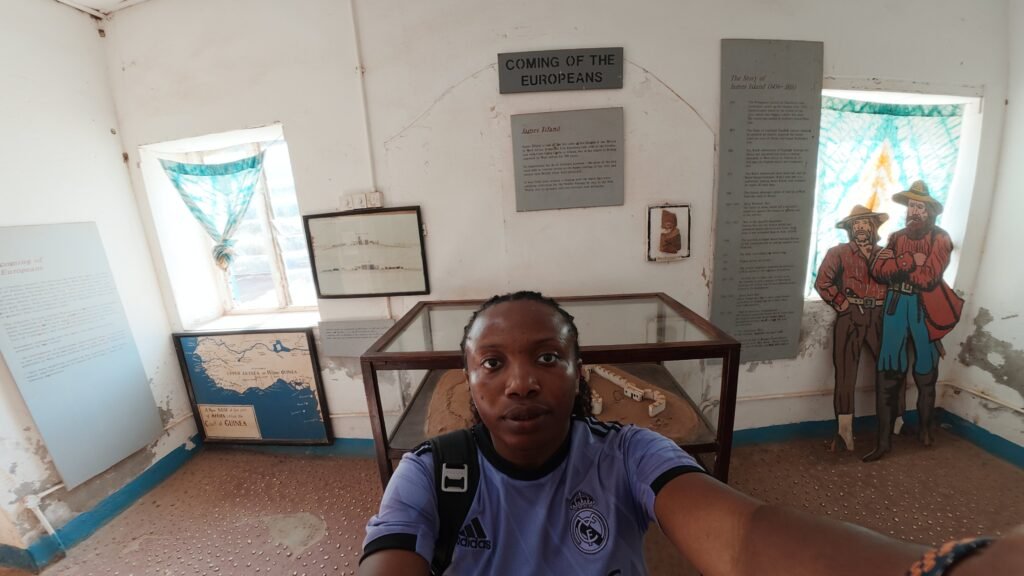
- Juffureh and the Kinteh family compound: A short walk from the slave museum on the other side of the road, this is the village tied to the story of Kunta Kinteh. A local guide took me to the compound where he was born and then to the house of the current matriarch. I made a contribution to the family and to the children of the person who guided me.
Janjanbureh
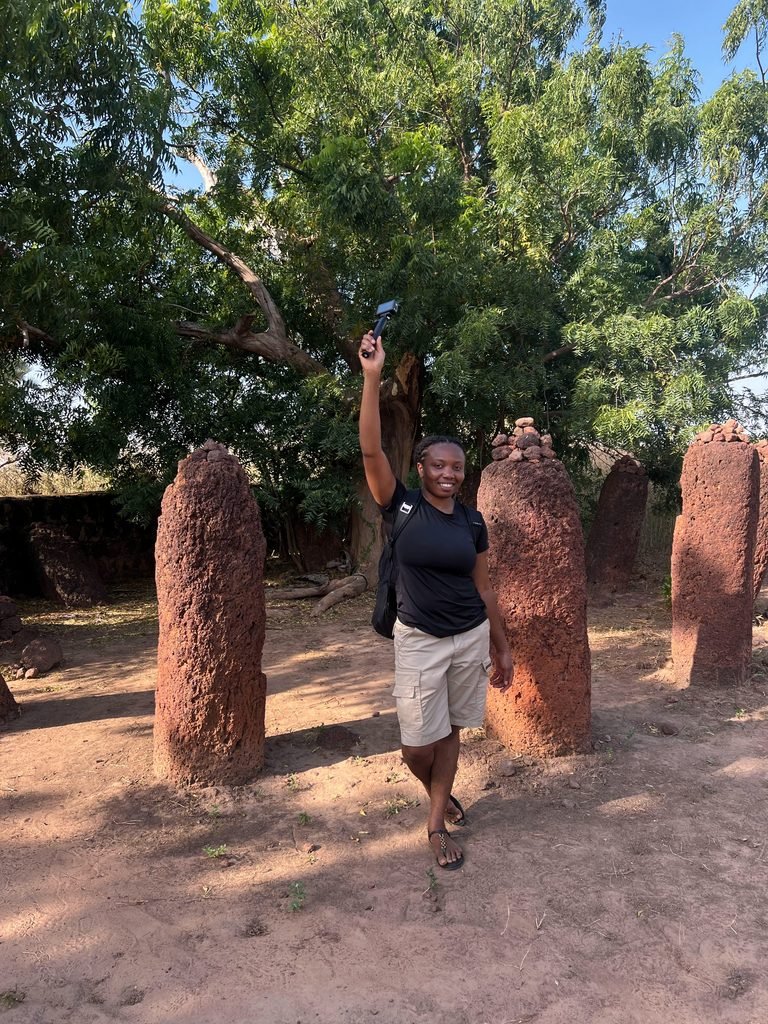
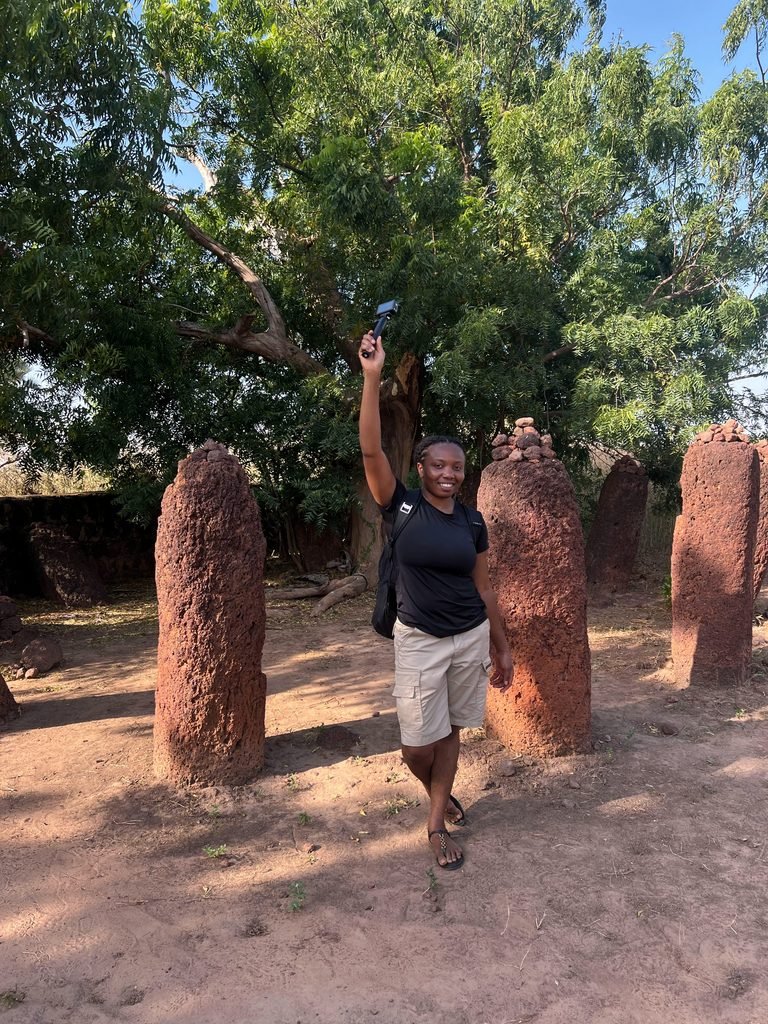
- Visit Janjanbureh: A river island town in the middle of the country, with the Wassu Stone Circles, the Freedom Tree and a slave house nearby. It is a long day each way, so plan an overnight. See how to visit Janjanbureh and what to do there.
Other places to visit
I ran out of time, and things came up, so these are still on my list.
- Makasutu Culture Forest. A forest and cultural experience inland from the coast.
- Abuko Nature Reserve. A small reserve near the coast, known for its birds and monkeys.
- Lamin Lodge. A creekside lodge and restaurant near the mangroves.
- Bijilo Forest Park (the Monkey Park). A short walk through coastal forest with monkeys.
- Kachikally Crocodile Pool, Bakau. A sacred crocodile pool in the coastal town of Bakau.
- McCarthy Square and the Quadrangle, Banjul. Two central Banjul landmarks I did not get to.
- Ghana Town, Brufut. On the bus down to Kartong, I passed a fishing community called Ghana Town, and a man I spoke to encouraged me to visit.
Practical tips
- Local buses and cars. Ask for directions at every change. People were generous with help, but agree on the fare before you get in.
- Ferries. The Banjul to Barra ferry is the way to the North Bank. Keep small notes for tickets, which cost 35 GMD per passenger, and you may be asked to pay 10 GMD for your bags.
- Cash. Many places take cash only. ATM withdrawals carry a bank charge on top of the amount, sometimes 250 GMD and other times 400 GMD. Paying by card attracts a transaction fee of 3.5 to 4.7%. Dalasi are hard to change outside The Gambia, so spend them before you leave.
- Filming. Ask first. Some sites, including Fort Bullen, do not allow video without permission, so contact the museums’ leadership in advance. At the fish market, people are usually uncomfortable being filmed.

Written by
Jennifer Confidence
I tell Africa’s stories, all of them. Through documentaries, travel and deep conversations, I explore everything Africa, and I share what years of crisis management taught me about travelling safely.
Keep reading
More stories
- Janjanbureh: How to Get There, Where to Stay and What to DoJanjanbureh, on an island in the River Gambia, is worth an overnight stay from the coast, and getting there by public bus…
- A Day Trip North From Praia to Tarrafal#JennAcrossWestAfrica #30to30 #ECOWAS Most people who visit Santiago, the largest island in Cabo Verde, spend their time around Praia. But if you…
- Things to Do in Cidade Velha, Santiago Island, Cape Verde: A Day Guide#JennAcrossWestAfrica #30to30 #ECOWAS Before you go: what to wearCidade Velha is hot, but the ground is the bigger challenge. The fortress sits…
Join my newsletter
New stories, travel updates and security briefs, sent straight to your inbox.