#JennAcrossWestAfrica #30to30 #ECOWAS
Most people who visit Santiago, the largest island in Cabo Verde, spend their time around Praia. But if you drive north, the island changes a lot. I made this trip recently, and it was worth the long day.
Leave Early
Give yourself a full day. The roads wind through the mountains, and you’ll want time to stop for photos. Leaving Praia early also means fewer people at the sights. I went with a driver, which let me stop whenever something caught my eye.
Picos and the Picos Santiago Sign
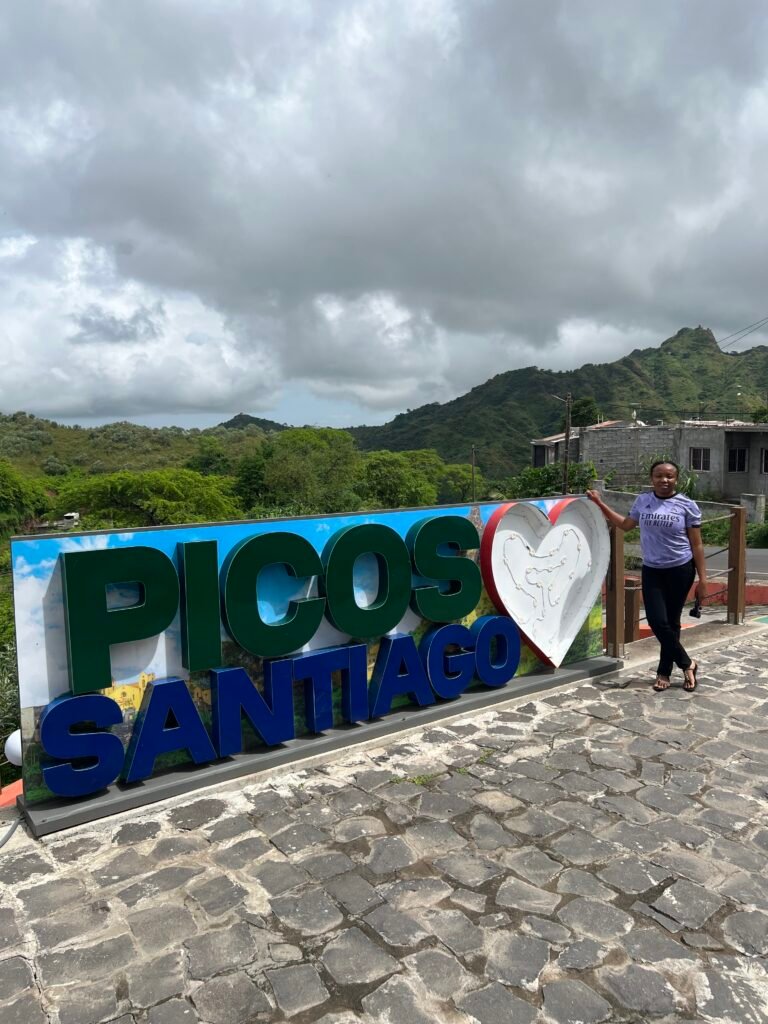
Picos is one of the first places you’ll pass where it’s worth stopping. There’s a “Santiago” sign there that’s good for a photo.
Assomada
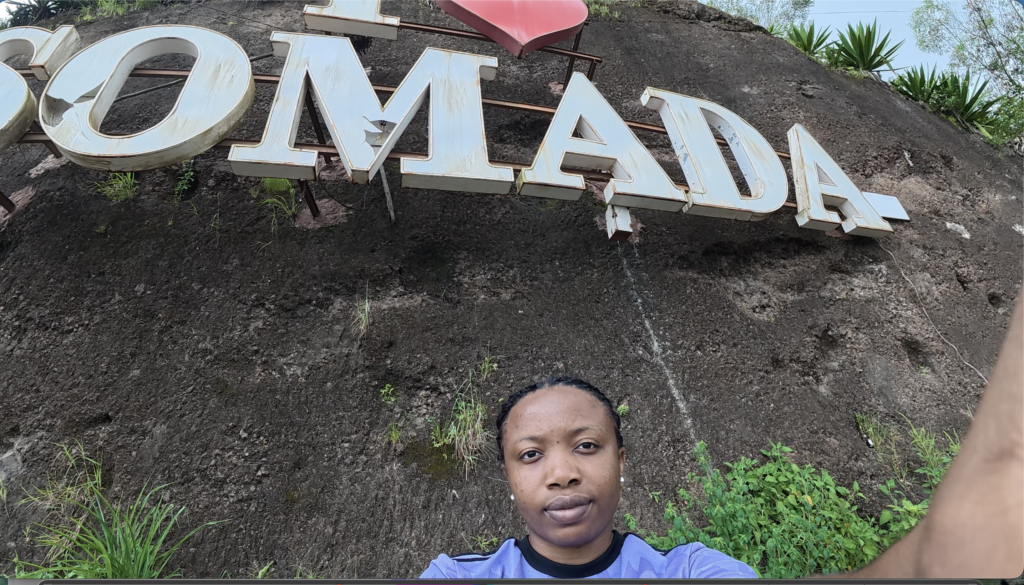
Assomada is one of the most important towns in the interior, and it’s a good place to see everyday life before the road climbs higher. Look for the “I Love Somada” sign on the road for a quick photo.
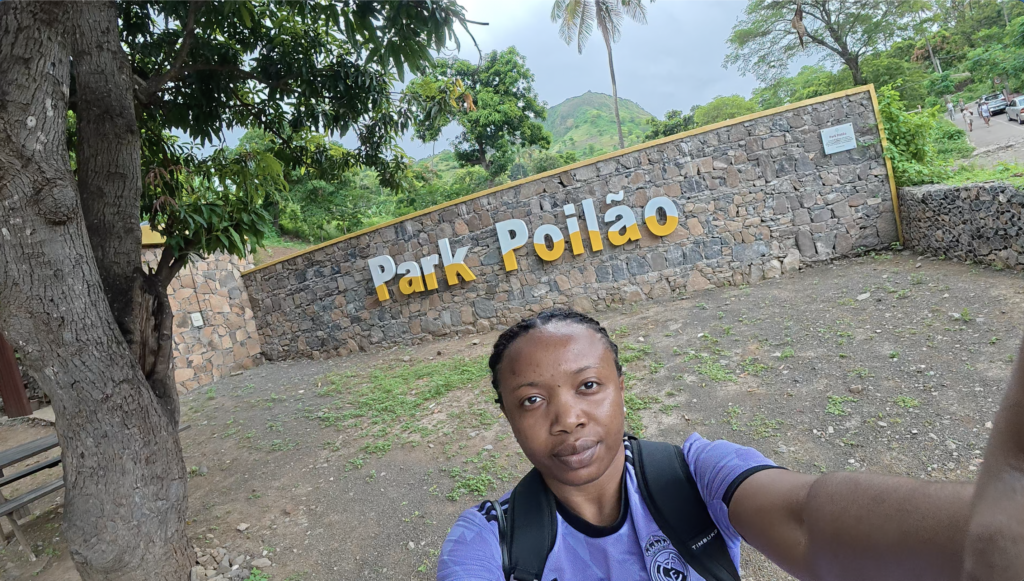
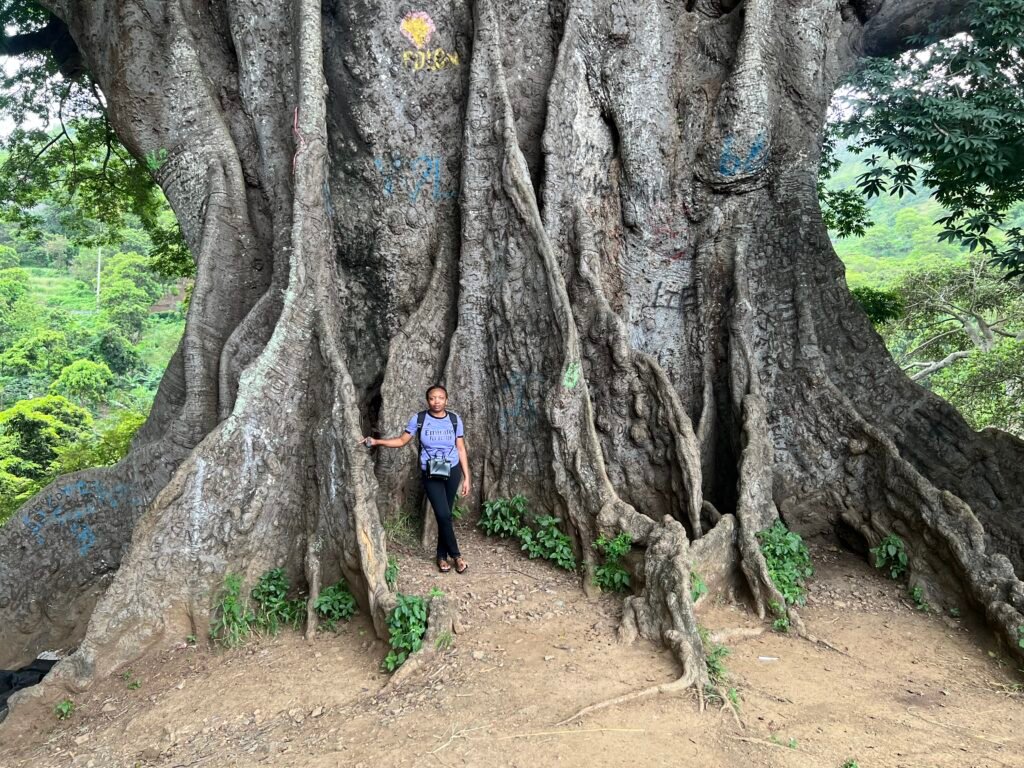
Poilão Park: Then stop at Poilão Park, known for its large kapok tree.
From there, the road takes you through the city centre, past the Universidade de Santiago, to the market. Get dropped off there to walk around, and agree on a pickup point at the other end of the market.
Universidade de Santiago: The Universidade de Santiago sits in Assomada, and it’s a good stop if you want to see a different side of the town. The university was officially inaugurated in 2009, so it’s a relatively new part of the landscape. Seeing a campus in the middle of the interior is a reminder that Santiago is more than its beaches and historic sites.
Fundura and the Road to Tarrafal
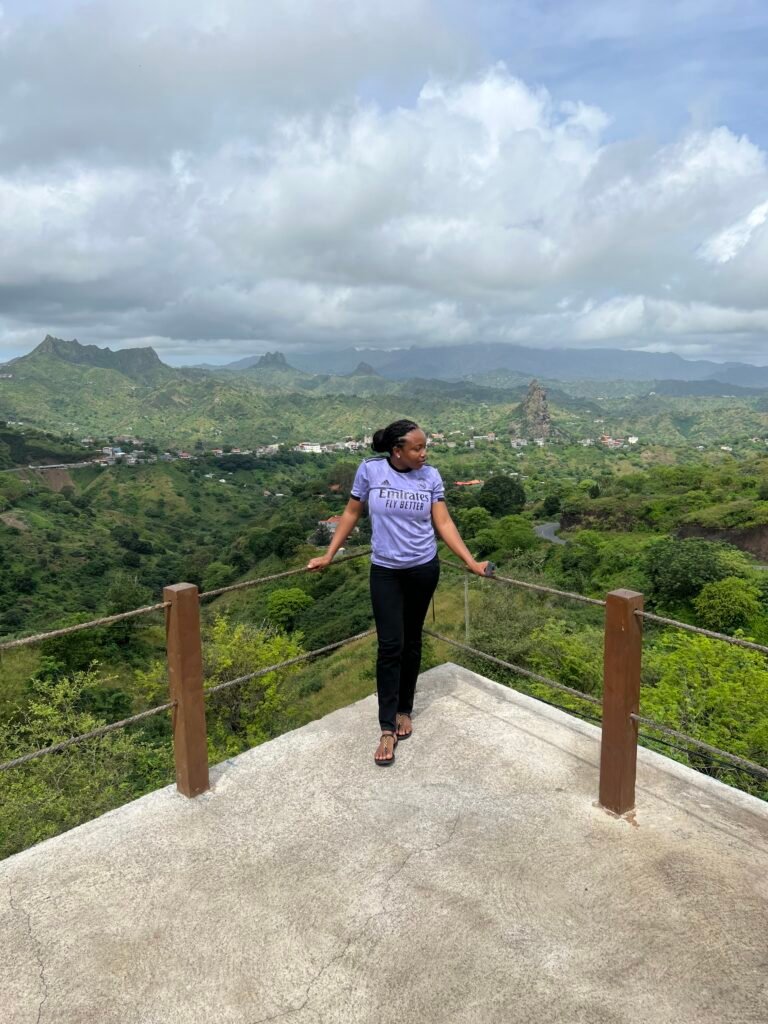
After Assomada, the road keeps climbing toward Fundura. I stopped several times on this stretch for photos. The views get better the further north you go.
Tarrafal’s Former Concentration Camp
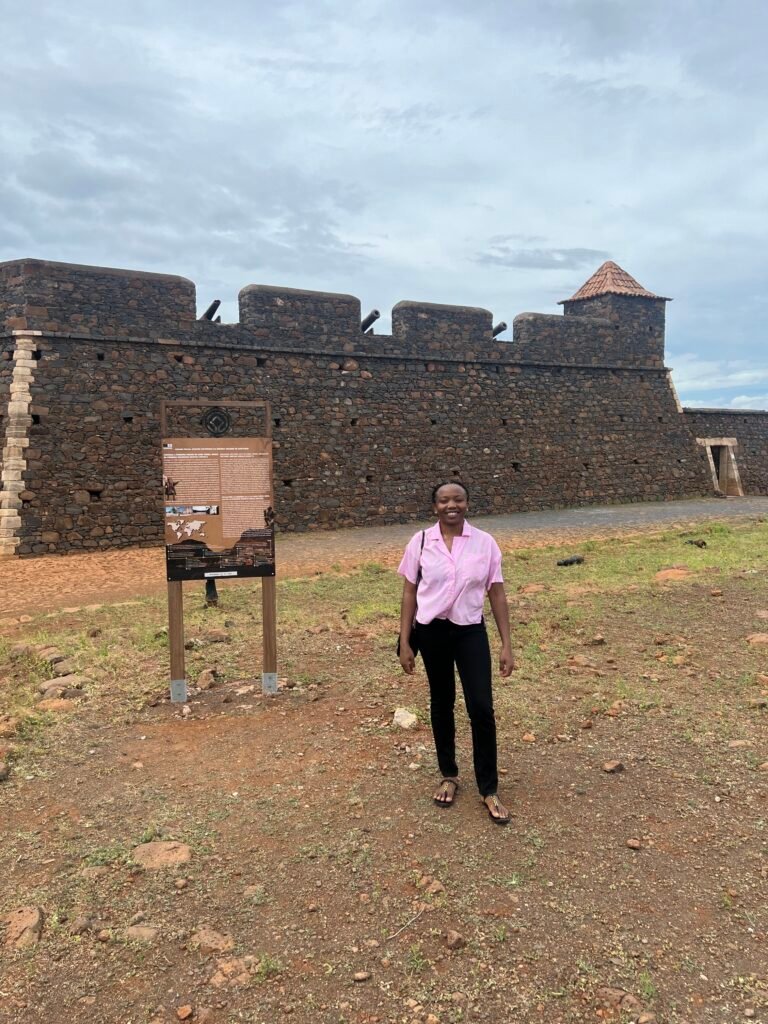
The Tarrafal camp was built in 1936 under Portugal’s Estado Novo regime. It held political prisoners, including Cape Verdean, Angolan, and Guinean freedom fighters and opponents of Portuguese colonial rule. Some of them were held as recently as the 70s and died there. The camp is now a museum and one of the most important historical sites in the country and a testament to the cruelty of the Portuguese in Africa. It’s a heavy place to visit, and it’s the main reason many people make this trip.
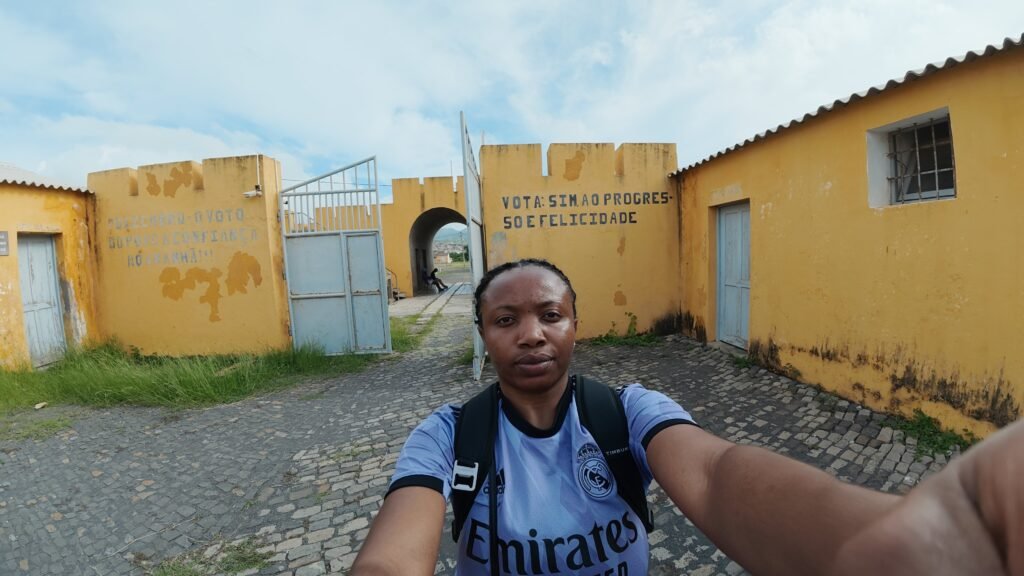
Check the opening hours before you go. I made an earlier trip to Tarrafal on a Sunday and found the camp closed, even though online sources showed it was open, so I had to come back another day. Confirm the hours with your driver, hotel, or a local tourism office, and plan for the possibility of a second visit. My personal advice would be to go on a weekday and bring cash with you for the ticket – CVE 500 or €5.
Tarrafal Beach
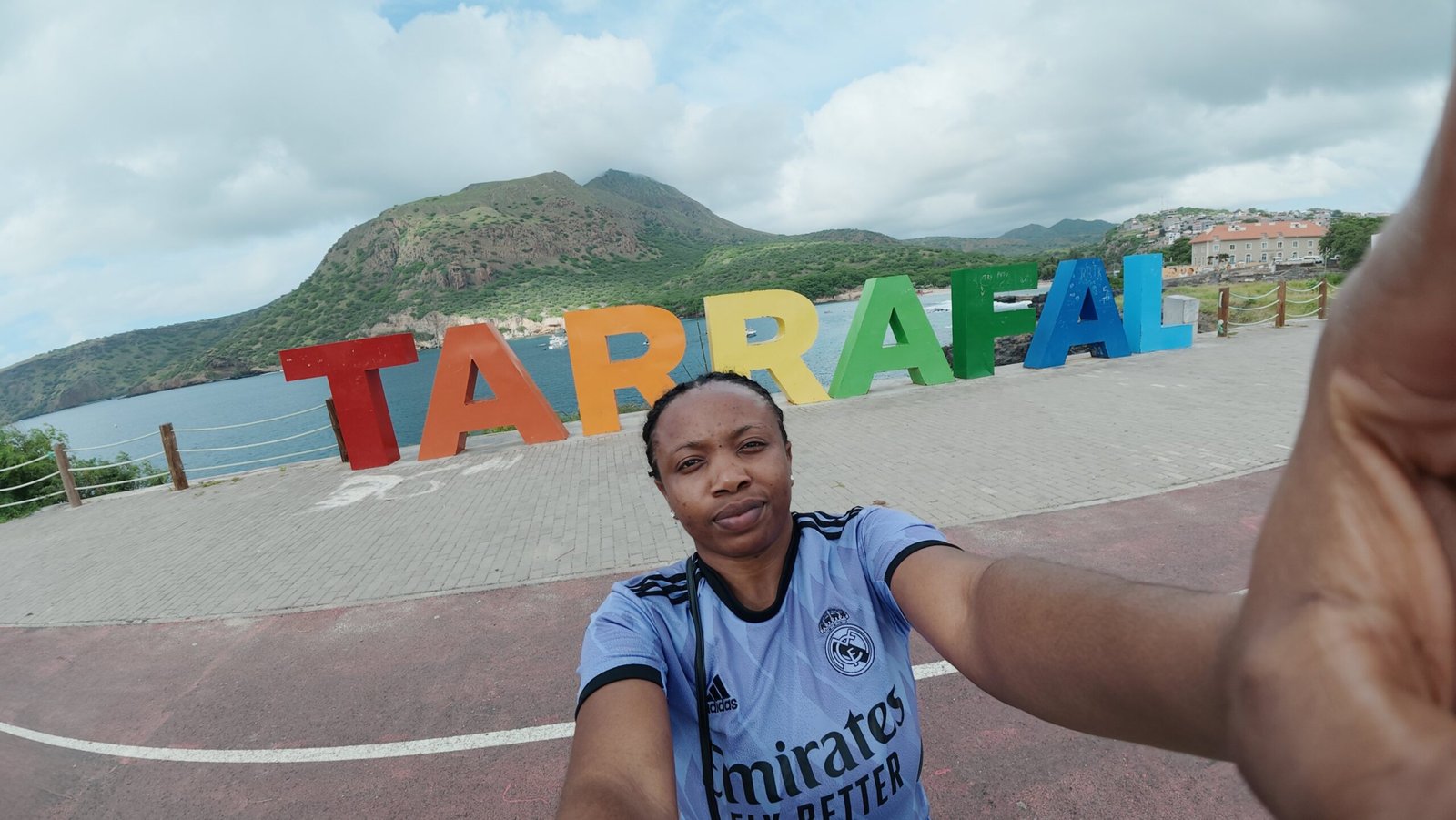
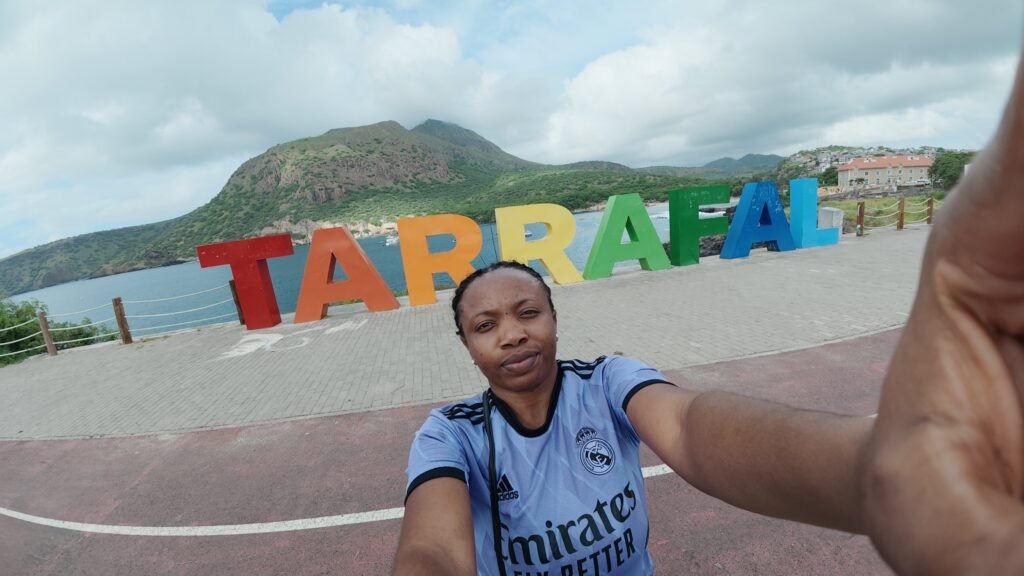
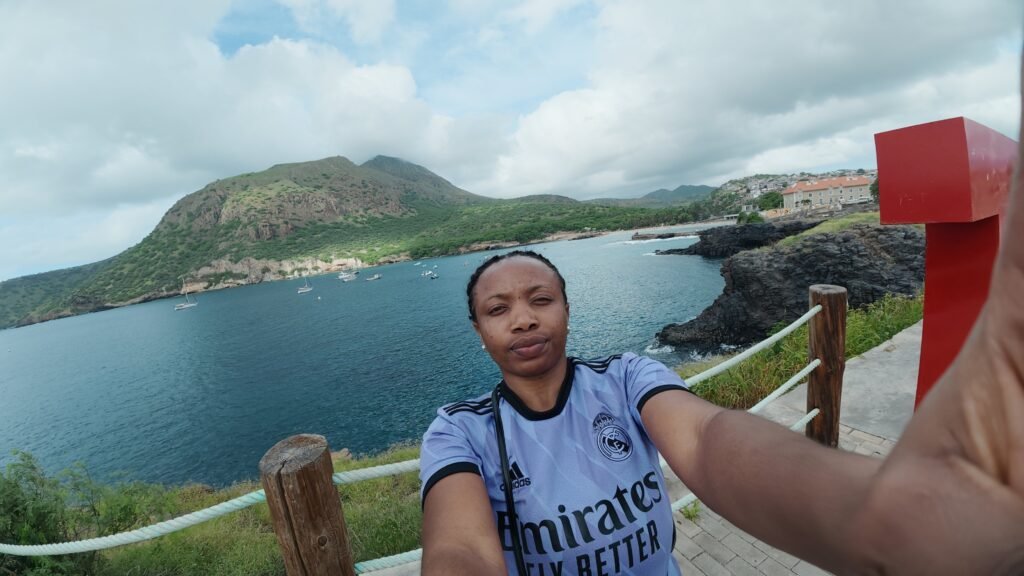
After the camp, go down to the beach. There’s a Tarrafal sign there that’s popular for photos. It’s a quiet place to take a break before the drive back. You may also consider going with your swimwear and taking a few dips in the Atlantic.
The Way Back
My personal suggestion would be to take a drive back through the East Coast. The East Coast road was partly blocked when I went a second time, so we returned through Fundura, then headed east through Cancela and Pedra Badejo. From there, we continued southwards through Milho Branco and back to Praia. Ask your driver about road conditions before you set off, since routes can change.
My first time up North, we went through the East Coast and returned through the inland. What I Noticed About the Buildings
Personal Observations
The houses change as you travel. In Praia, they look European but are painted in bright Caribbean-style colours. Further north in Assomada, most of the houses look like homes from inland Africa. By Tarrafal, you see a mix of African structures, European influences, and Caribbean colours.
Practical Notes
- Money: Bring cash in escudos. Card payments may not work in smaller towns.
- Driver: Agree on the price and the stops before you leave. Some people prefer tour guides.
- Food: Try cachupa, the national food, and seafood rice.
- Photos: Be respectful when photographing in public places, especially at the market.

Written by
Jennifer Confidence
I tell Africa’s stories, all of them. Through documentaries, travel and deep conversations, I explore everything Africa, and I share what years of crisis management taught me about travelling safely.
Keep reading
More stories
- Things to Do in Cidade Velha, Santiago Island, Cape Verde: A Day Guide#JennAcrossWestAfrica #30to30 #ECOWAS Before you go: what to wearCidade Velha is hot, but the ground is the bigger challenge. The fortress sits…
- Transiting Through an EU Airport Without a Schengen Visa: My Experience in Lisbon#JennAcrossWestAfrica #30to30 #ECOWAS What I learned the hard way, and how to avoid the same confusion. I recently transited through Lisbon on…
- 5 Must-Do Activities at Senegal’s Pink Lake (Lac Rose)5 Things to Do at Senegal’s Pink Lake (Lac Rose) If you’re planning a trip to Senegal, Lac Rose, the Pink Lake,…
Join my newsletter
New stories, travel updates and security briefs, sent straight to your inbox.